Best Guatemalan Coffee Beans (2026 Guide) – Top Picks and Flavor Profiles

Guatemalan coffee is often mentioned among the best in the world — but that statement alone doesn’t help you choose the right beans.
Not all Guatemalan coffee tastes the same. In fact, what you experience in the cup depends heavily on region, altitude, and processing methods.
This guide goes beyond generic recommendations.
It will help you understand what makes Guatemalan coffee unique, and how to choose beans that actually match your taste and brewing style.
What Makes Guatemalan Coffee Special
Guatemalan coffee is not defined by a single flavor.
What makes it stand out is the combination of natural conditions and human decisions that shape every bean before it reaches your cup wherever you are.
To understand it, you need to look beyond the surface — into the factors that actually influence how coffee tastes.
1.Volcanic Soil: The Foundation of Flavor
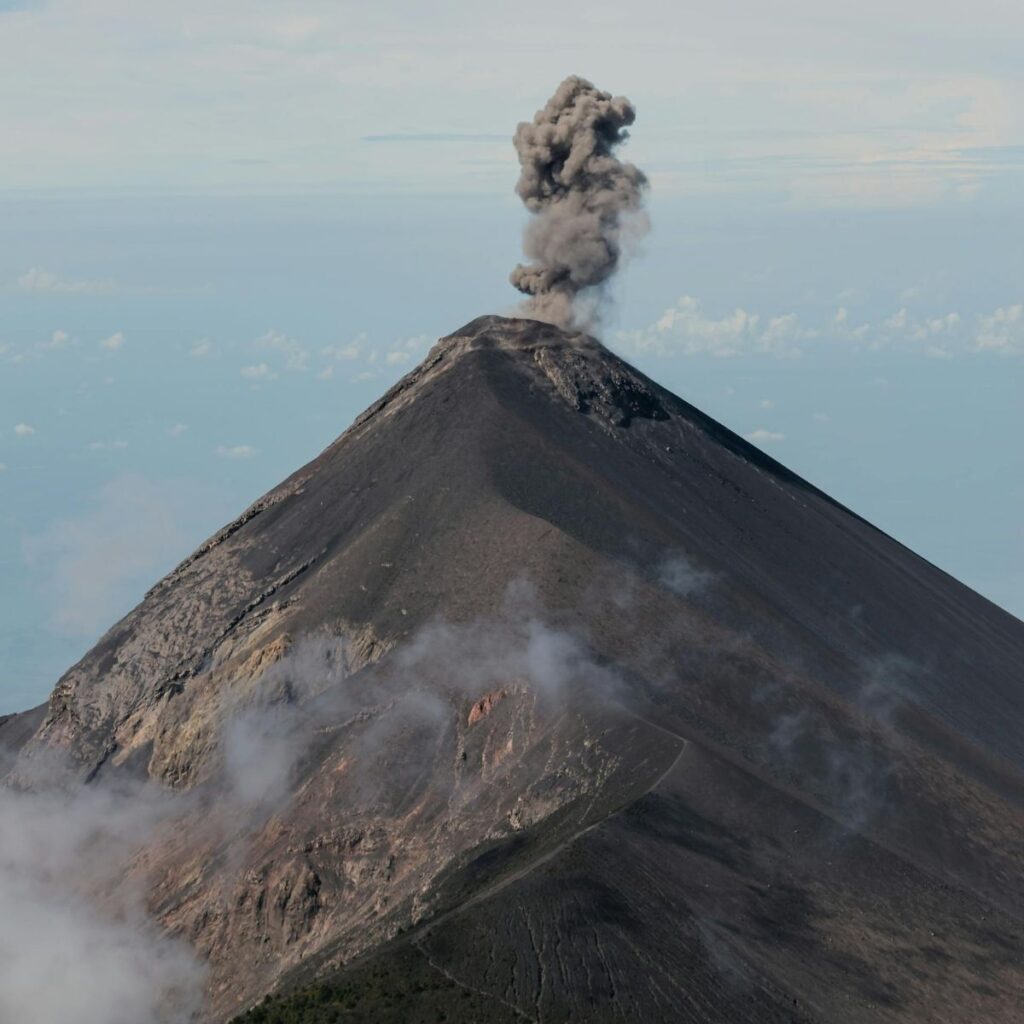
Many of Guatemala’s coffee regions sit on volcanic terrain.
Over time, volcanic ash enriches the soil with minerals that coffee plants absorb as they grow.
This doesn’t mean “volcano = better coffee” by default — but it often leads to greater complexity and depth in flavor.
That’s why Guatemalan coffee is frequently described with notes like:
- chocolate
- spice
- subtle sweetness
The soil creates the foundation — but it’s only one part of the story.
2. High Altitude: Slower Growth, Better Beans
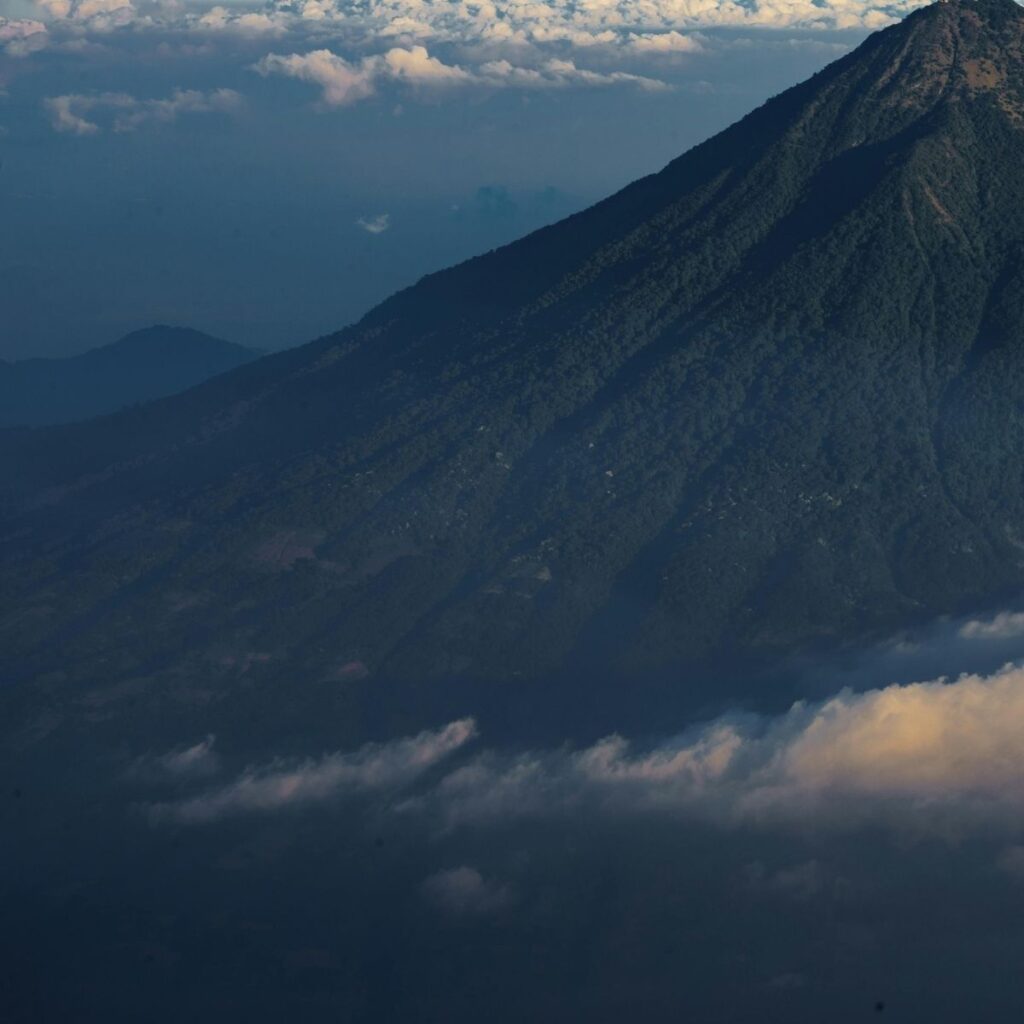
Most Guatemalan coffee is grown at elevations between 1,300 and 2,000 meters above sea level.
At higher altitudes, temperatures are cooler.
This slows down the development of the coffee cherry, allowing more time for sugars to form inside the bean.
The result:
- denser beans
- more concentrated flavors
- cleaner, more defined cups
In simple terms:
the slower the bean grows, the more character it develops.
3. Microclimates: Why Regions Taste Different
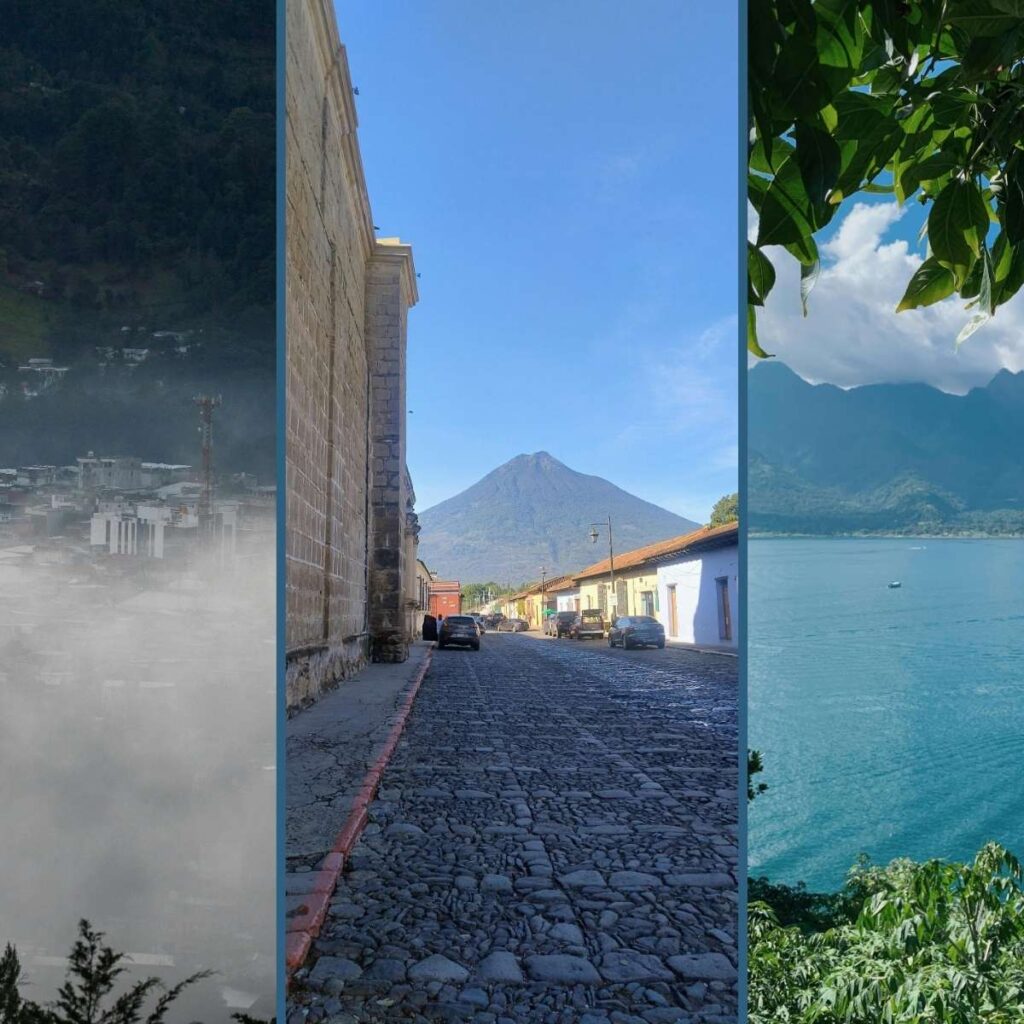
Guatemala is a small country, but its geography is highly diverse.
Mountains, valleys, lakes, and weather patterns create distinct microclimates across regions.
This is why coffee from:
- Antigua tastes balanced and chocolatey
- Huehuetenango is bright and complex
- Atitlán has deeper, fuller body
Same country — completely different cup profiles.
Processing Methods: Where Flavor Is Finalized
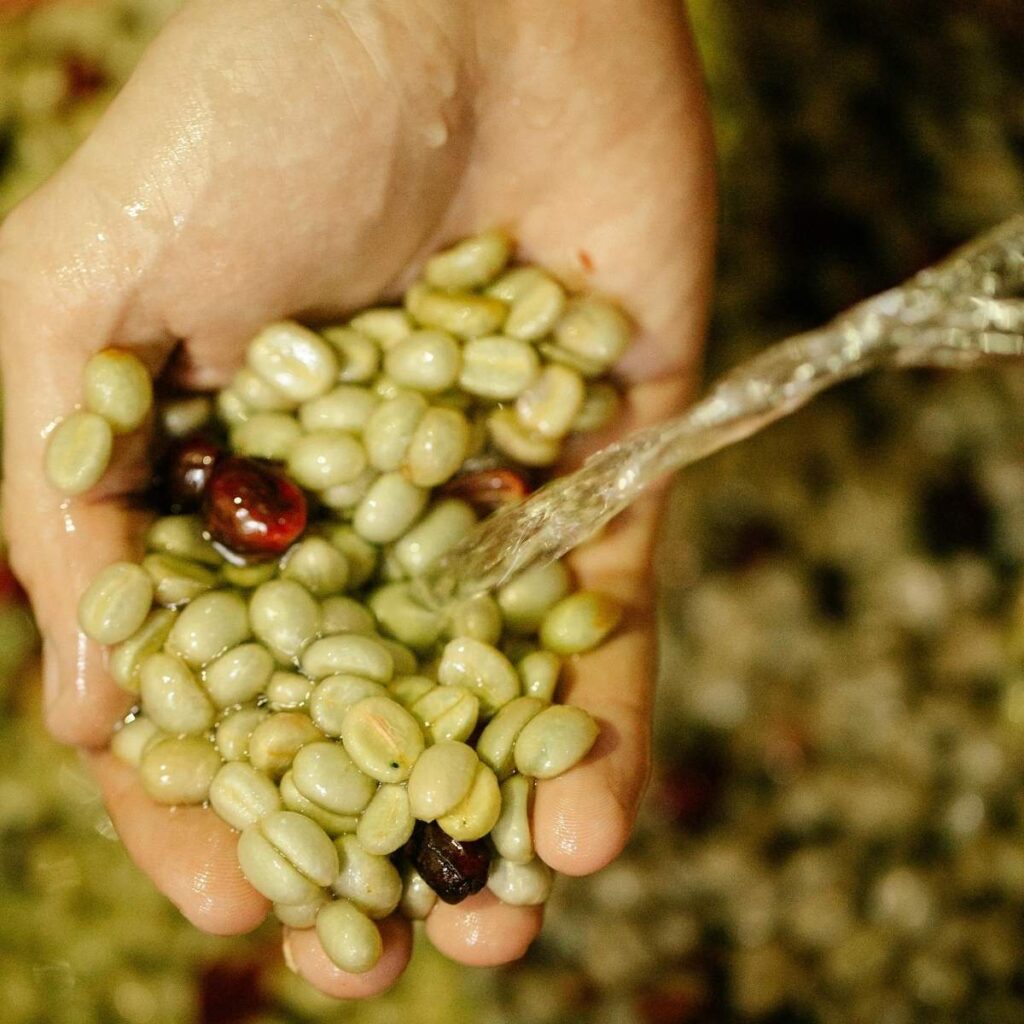
After harvesting, coffee goes through processing — and this step has a major impact on taste.
The most common method in Guatemala is washed processing, which produces:
- clean
- bright
- well-defined flavors
But you’ll also find:
- natural process (fruitier, sweeter)
- honey process (balanced, slightly complex)
This is where the raw characteristics of the bean are either clarified… or transformed.
Best Guatemalan Coffee Beans (Top Picks for 2026)
Below are carefully selected options that are widely available internationally and represent different flavor profiles of Guatemala.
1. Antigua – Balanced & Chocolatey
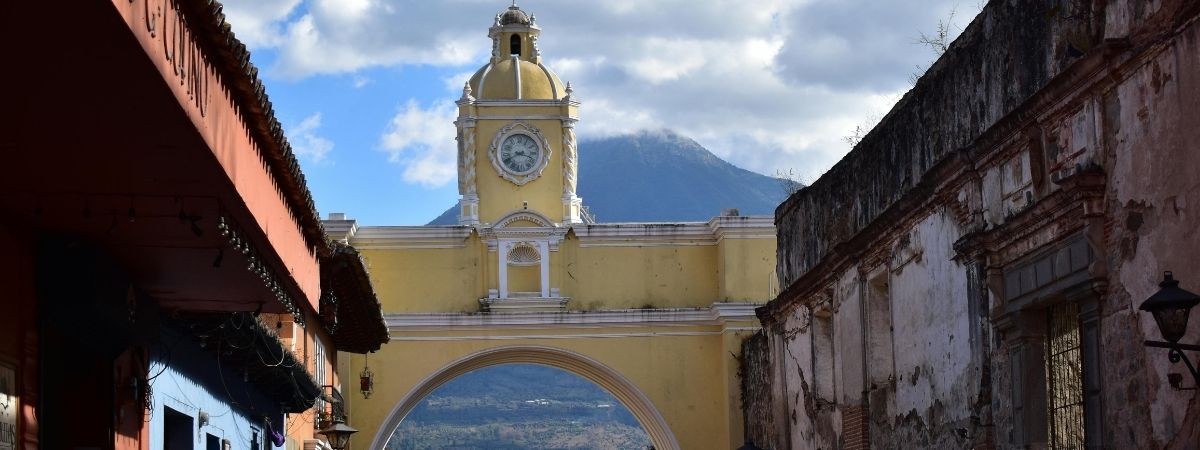
Flavor profile:
Chocolate, caramel, mild citrus
Antigua is one of the most recognized coffee regions in Guatemala. Its volcanic soil and stable climate produce a balanced cup that works well for most people.
Ideal for:
- Daily drinking
- Pour-over and drip coffee
If you’re starting with Guatemalan coffee, Antigua is usually the safest and most reliable choice.
2. Huehuetenango – Bright & Complex
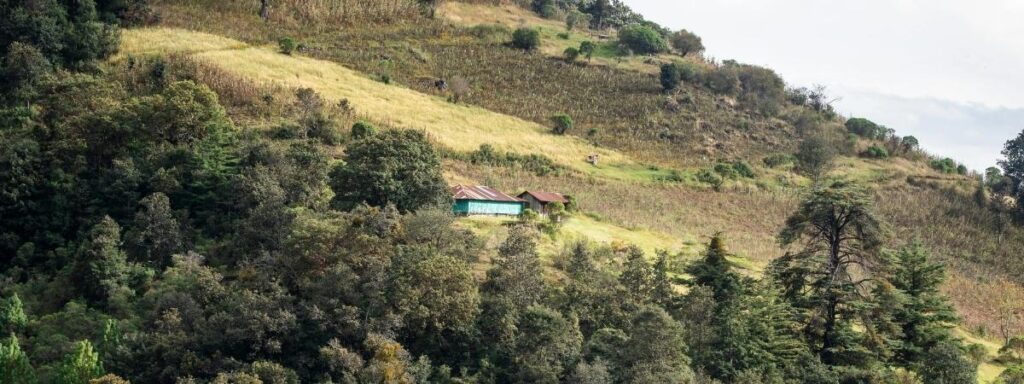
Flavor profile:
Fruity, wine-like acidity, floral notes
Huehuetenango coffees are grown at very high altitudes, often resulting in vibrant and complex cups.
Ideal for:
- People who enjoy acidity and brightness
- Manual brewing methods (V60, Chemex)
3. Atitlán – Full Body with Depth

Flavor profile:
Cocoa, spice, slight fruitiness
Grown near Lake Atitlán, this coffee often has a heavier body and deeper flavors.
Ideal for:
- French press
- Espresso
4. Cobán – Smooth & Subtle
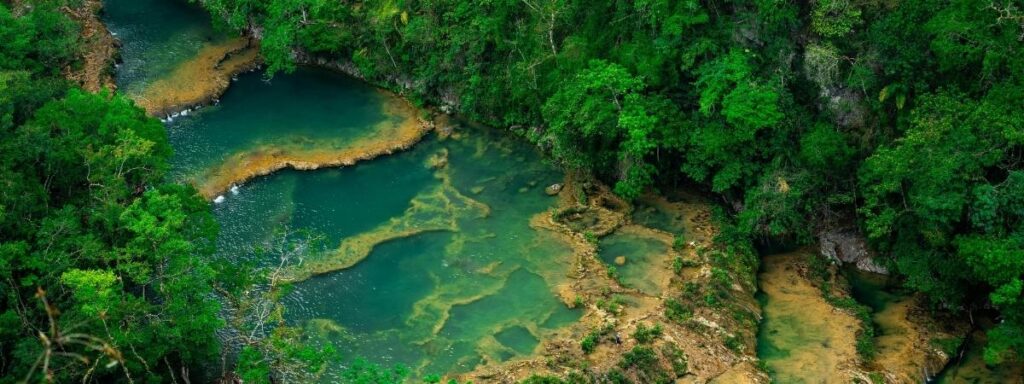
Flavor profile:
Mild sweetness, nutty, low acidity
Cobán coffees are influenced by a humid climate, leading to softer and more approachable profiles.
Ideal for:
- Beginners
- People who prefer low-acid coffee
How to Choose the Right Guatemalan Coffee
Instead of asking “what’s the best coffee,” ask:
👉 What kind of coffee do I enjoy?
If you prefer chocolatey and smooth
→ Go for Antigua or Atitlán
If you like bright and fruity coffee
→ Choose Huehuetenango
If you want something mild and easy to drink
→ Try Cobán
Whole Beans vs Pre-Ground
If you want better flavor:
Always choose whole beans
Grinding right before brewing preserves aroma and complexity.
💡 A simple grinder upgrade can make a bigger difference than buying more expensive coffee.
Where to Buy Guatemalan Coffee
This is where most people struggle.
Many listings online use “Guatemalan coffee” as a label without specifying origin or quality.
When choosing beans, look for:
- Specific region (Antigua, Huehuetenango, etc.)
- Roast date (not just “best before”)
- Transparency about sourcing
Final Thoughts
Guatemalan coffee is not just one flavor — it’s a collection of distinct profiles shaped by geography, climate, and process.
Understanding those differences is what allows you to move from just drinking coffee… to actually appreciating it.
If you start with the right region and brew it properly, the difference is noticeable.
Author

Marvin Belloso
Writing about Guatemalan coffee, origin, and brewing culture.
Based in Guatemala, Marvin Belloso explores the regions, brewing methods, and stories that shape the country’s specialty coffee culture.
Currently exploring:
Antigua washed coffees & home brewing methods.
Stay in the loop
Get the latest news, brewing guides, and insights about Guatemala coffee delivered straight to your inbox.
Suscribe to our free newsletter!