
Antigua vs Huehuetenango Coffee: Understanding Guatemala’s Two Most Iconic Regions
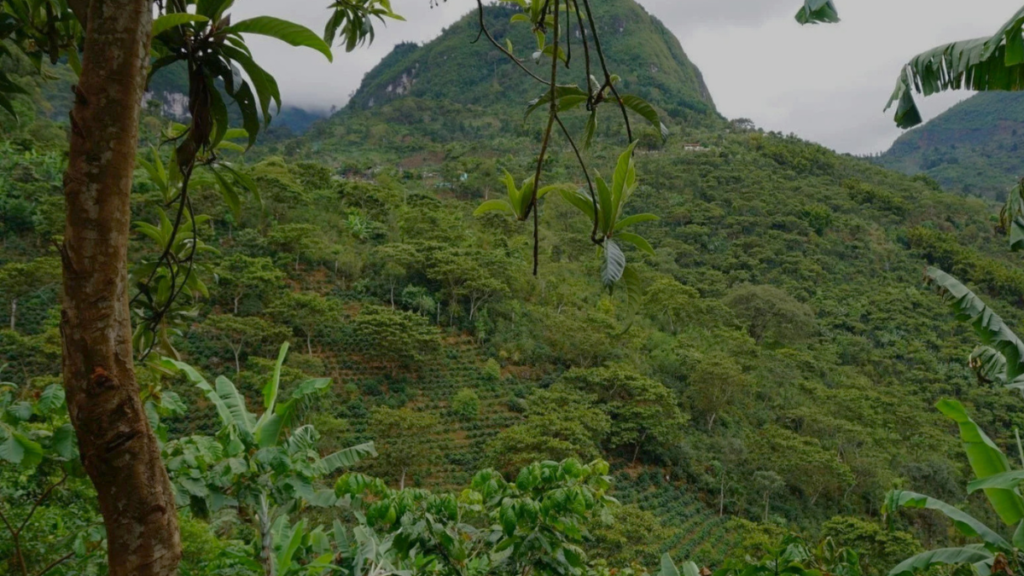
When people talk about the best guatemala coffee, two regions almost always come up first: Antigua and Huehuetenango.
Both are internationaly respected for producing high-quality specialty coffee. Both are shaped by altitude, climate, and generations of coffee cultivation.
But despite coming from the same country, they can taste completley diferent in the cup.
Understanding those differences is one of the best ways to better understand Guatemala coffee itself — because because these two regions represent two very different expressions of origin.
Discover the best coffee beans in Guatemala
Quick Comparison: Antigua vs Huehuetenango
| Feature | Antigua | Huehuetenango |
| Main Flavor Notes | Chocolate, caramel, spice | Citrus, floral, fruity |
| Body | Medium to full | Medium |
| Acidity | Balanced | Bright and lively |
| Best Brewing Method | Espresso, French Press | Pour-over, V60 |
| Typical Altitude | 1,500–1,700m | 1,700–2,000m+ |
| Overall Experience | Smooth and comforting | Complex and vibrant |
What Makes Antigua Coffee Unique?
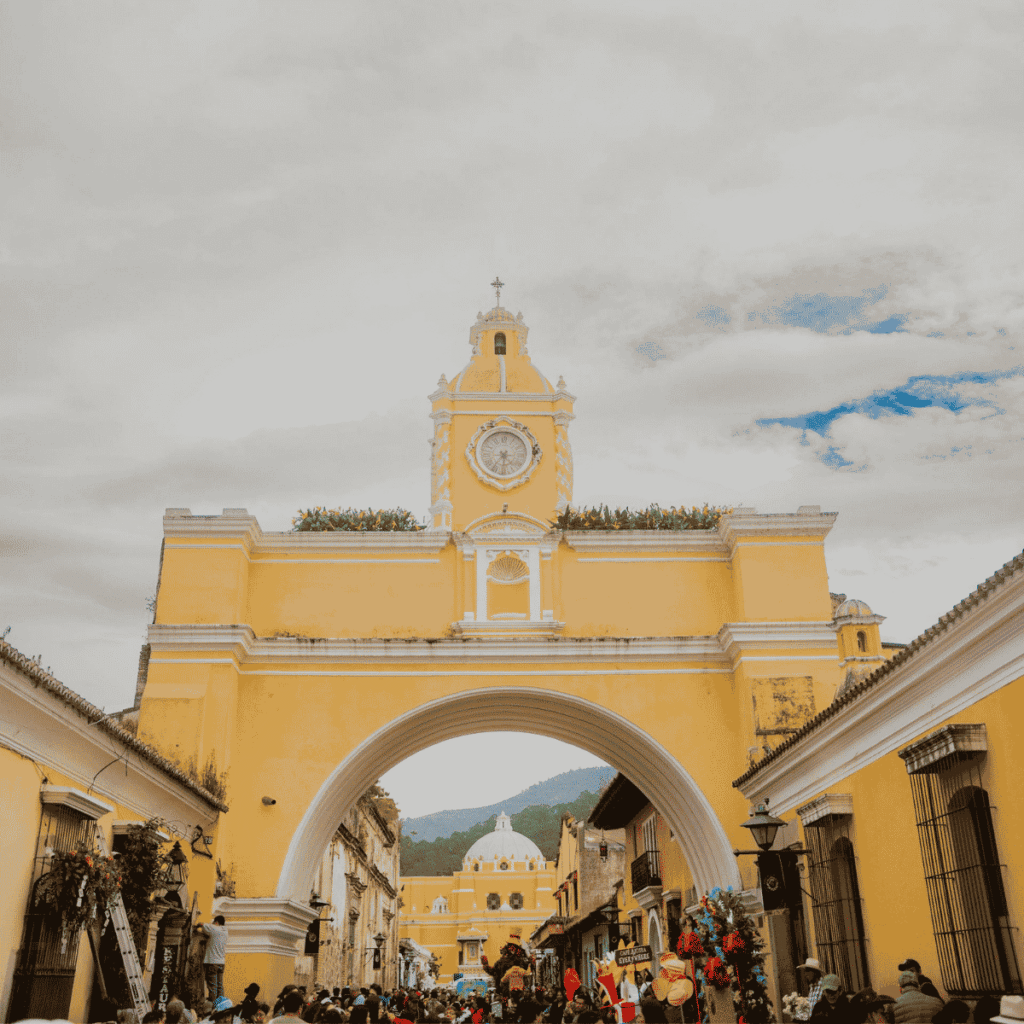
Antigua is one of the most recognized coffee regions in Guatemala — not because it produces the most intense or exotic coffees, but because of how balanced and consistent the region tends to be.
Its reputation comes from the interaction between volcanic soil, climate stability, altitude, and a flavor profile that remains approachable while still offering complexity.
Volcanic Soil: The Foundation of Antigua’s Flavor
Antigua is surrounded by some of Guatemala’s most iconic volcanoes, including Agua, Fuego, and Acatenango.
Over time, volcanic activity has enriched the soil with minerals that help create healthier coffee plants and more complex flavor development.

This doesn’t automatically make the coffee “better,” but it often contributes to the depth and structure that Antigua coffees are known for.
One reason Antigua coffee feels so balanced is because the soil allows the coffee plant to develop steadily without excessive stress.
The result is often a cup with:
- layered sweetness
- smooth body
- controlled acidity
rather than sharp or overpowering flavors.
Stable Climate: Consistency Across Harvests
Another factor that makes Antigua stand out is its relatively stable growing environment.

The region benefits from:
- cool nights
- sunny mornings
- moderate rainfall
- predictable seasonal patterns
This consistency matters because coffee is highly sensitive to environmental changes.
When temperatures fluctuate too aggressively or rainfall becomes unpredictable, flavor quality can suffer.
Antigua’s climate helps coffee cherries mature gradually and evenly, which contributes to the region’s recognizable smoothness and clarity.
This is one reason why Antigua is often considered a reliable introduction to Guatemalan specialty coffee.
Chocolate-Forward Profile: Why Antigua Feels Familiar
One of the defining characteristics of Antigua coffee is its chocolate-forward flavor profile.
While tasting notes vary by farm and roast level, many Antigua coffees commonly express:
- milk chocolate
- cocoa
- caramel
- brown sugar
- light spice
Compared to fruitier regions like Huehuetenango, Antigua tends to feel warmer and more grounded.
That profile is part of what makes the region so approachable internationally.
Even people new to specialty coffee often enjoy Antigua because the flavors feel naturally comforting and easy to recognize.
Instead of aggressively bright acidity, the experience is usually smoother and more rounded.
Why Antigua Coffee Works So Well for Espresso
Antigua’s balance and body make it especially effective for espresso brewing.
Espresso tends to amplify certain characteristics in coffee:
- acidity becomes sharper
- bitterness becomes stronger
- sweetness becomes more important

Because Antigua already has a naturally balanced structure, it handles espresso extraction extremely well.
The chocolate and caramel notes become deeper and richer, while the moderate acidity prevents the shot from tasting overly sour or thin.
This is why many roasters use Antigua coffees for:
- espresso blends
- milk-based drinks
- cappuccinos and flat whites
The profile remains recognizable even when combined with milk, creating a sweeter and more approachable espresso experience.
What Makes Huehuetenango Coffee Different?
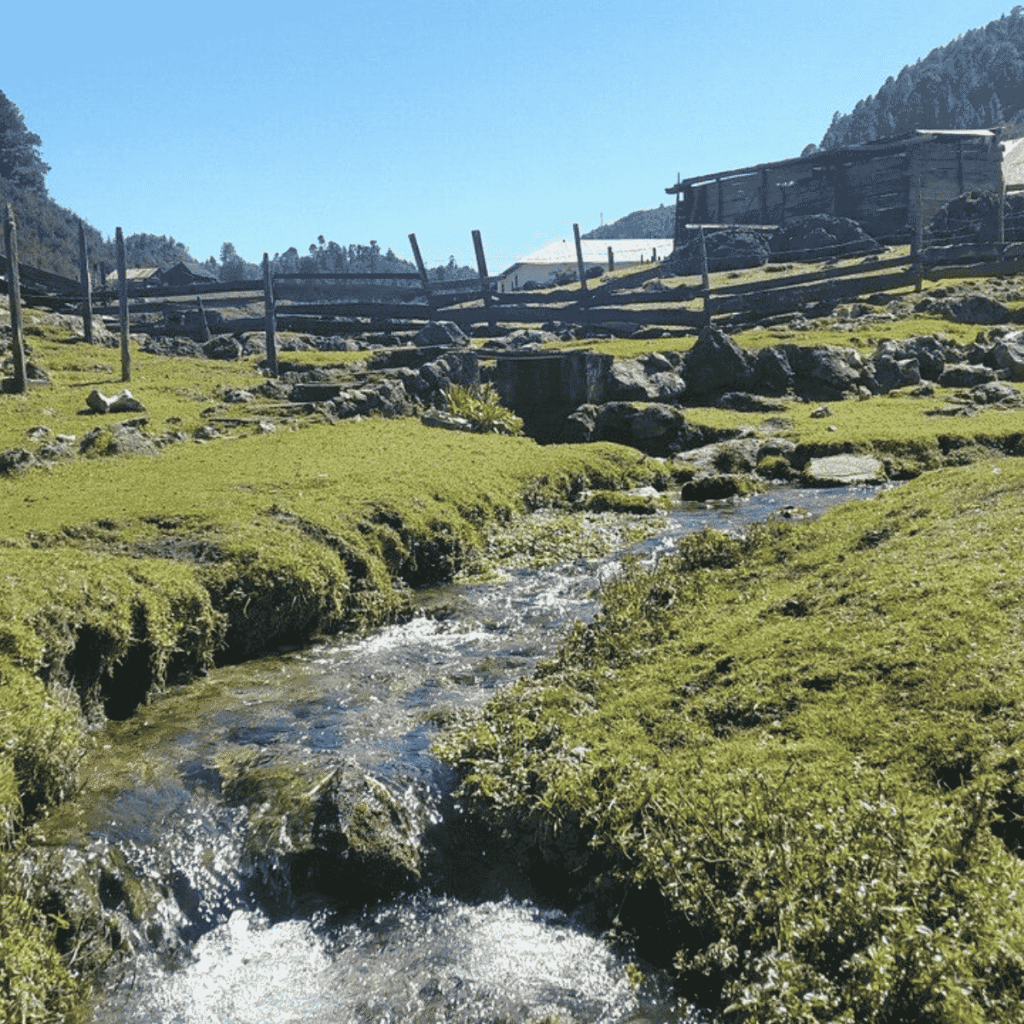
Huehuetenango is one of the most distinctive coffee regions in Guatemala — and one of the most respected among specialty coffee enthusiasts worldwide.
Located in the western highlands near the Mexican border, the region is known for producing coffees with remarkable brightness, complexity, and clarity.
Unlike regions that emphasize balance and chocolate-forward profiles, Huehuetenango often delivers a more vibrant and expressive cup experience.
Higher Altitude: Slow Development, Greater Complexity
Huehuetenango is home to some of the highest coffee farms in Guatemala, with many located between 1,700 and 2,000+ meters above sea level.
At these elevations, temperatures remain cooler throughout the growing season.

This slows the maturation of the coffee cherry, giving the bean more time to develop sugars and organic compounds that influence flavor.
The result is typically:
- denser beans
- brighter acidity
- more layered flavor profiles
In specialty coffee, altitude is often associated with complexity — and Huehuetenango is one of the clearest examples of that relationship.
Dry Mountain Climate: A Rare Growing Environment
One of the most unusual characteristics of Huehuetenango is its dry mountain climate.
While many high-altitude coffee regions experience heavy humidity, Huehuetenango benefits from warm winds that flow into the mountains from Mexico’s Tehuantepec plain.

These winds help protect coffee plants from excessive frost while maintaining relatively dry conditions during critical growing periods.
This balance creates an environment where coffee cherries can mature slowly without becoming overly stressed by moisture fluctuations.
The region’s unique climate is one reason why Huehuetenango coffees often taste exceptionally clean and well-defined.
For more about Guatemala’s coffee-growing regions, you can explore the official overview from Anacafé
Brighter Acidity: What People Actually Mean
Acidity in coffee is often misunderstood.
It doesn’t mean the coffee tastes sour or harsh.
In specialty coffee, acidity refers more to the brightness and liveliness of the cup.
Huehuetenango coffees are especially known for this characteristic because their high altitude preserves delicate acids during bean development.
This often creates flavors that feel:
- crisp
- juicy
- vibrant
rather than heavy or muted.
For many coffee drinkers, this brightness is what makes Huehuetenango feel more dynamic compared to more chocolate-forward regions like Antigua.
Floral and citrus complexity
Huehuetenango coffees are frequently described with notes such as:
- orange zest
- stone fruit
- berries
- floral aromas
- sugarcane sweetness
These characteristics become especially noticeable in manual brewing methods like:
- V60
- Chemex
- Aeropress
where clarity and nuance are easier to perceive.

The combination of citrus brightness and floral complexity gives the region a profile that many specialty coffee enthusiasts actively seek out.
Instead of a comforting and rounded experience, Huehuetenango often feels more expressive and layered — a coffee that changes slightly as it cools in the cup.
Flavor Profile Comparison
One of the biggest differences between Antigua vs Huehuetenango coffee is how each region expresses flavor in the cup.
Even people who are new to specialty coffee can usually notice the contrast after tasting both side by side.
Antigua tends to feel warmer, smoother, and more comforting.
Huehuetenango often feels brighter, lighter, and more layered.
The easiest way to understand the difference is not through technical terminology — but through familiar flavor associations.
Antigua Coffee Flavor Profile
Antigua coffees are commonly associated with deeper and more comforting flavor notes.
Typical tasting notes include:
- milk chocolate
- caramel
- roasted nuts
- light baking spice
These flavors create a cup that feels balanced and rounded rather than sharp or overly acidic.
For many people, Antigua represents the “classic” coffee experience because the flavors are naturally approachable and easy to recognize.
The chocolate and caramel characteristics also tend to become more pronounced as the coffee cools slightly, especially in espresso-based brewing methods.
Compared to Huehuetenango, Antigua usually has:
- lower perceived acidity
- heavier body
- smoother finish
This is why many coffee drinkers describe Antigua coffee as:
– comforting
– rich
– balanced
rather than vibrant or explosive.
Huehuetenango Coffee Flavor Profile
Huehuetenango coffees move in a very different direction.
Instead of emphasizing chocolate and body, they often highlight clarity, brightness, and fruit complexity.
Common tasting notes include:
- orange zest
- floral aromas
- berries
- sugarcane sweetness
The acidity is typically more vibrant, but when well roasted, it feels juicy and structured rather than sour.
This creates a cup that feels more dynamic and expressive.
Many specialty coffee enthusiasts enjoy Huehuetenango because the flavor profile can evolve as the coffee cools:
- citrus becomes more noticeable
- sweetness becomes clearer
- floral notes become easier to detect
Compared to Antigua, Huehuetenango usually feels:
- lighter
- brighter
- more layered
which is why it’s often preferred by people who enjoy nuanced pour-over coffees.
Why Flavor Perception Matters
Taste in coffee is highly personal.
Some people immediately gravitate toward chocolate-forward profiles because they feel familiar and comforting.
Others prefer coffees with brighter acidity and fruit complexity because they create a more vivid tasting experience.
Neither region is objectively “better.”
The difference is more about the kind of experience you want from the cup.
Which Region Is Better for Different Brewing Methods?
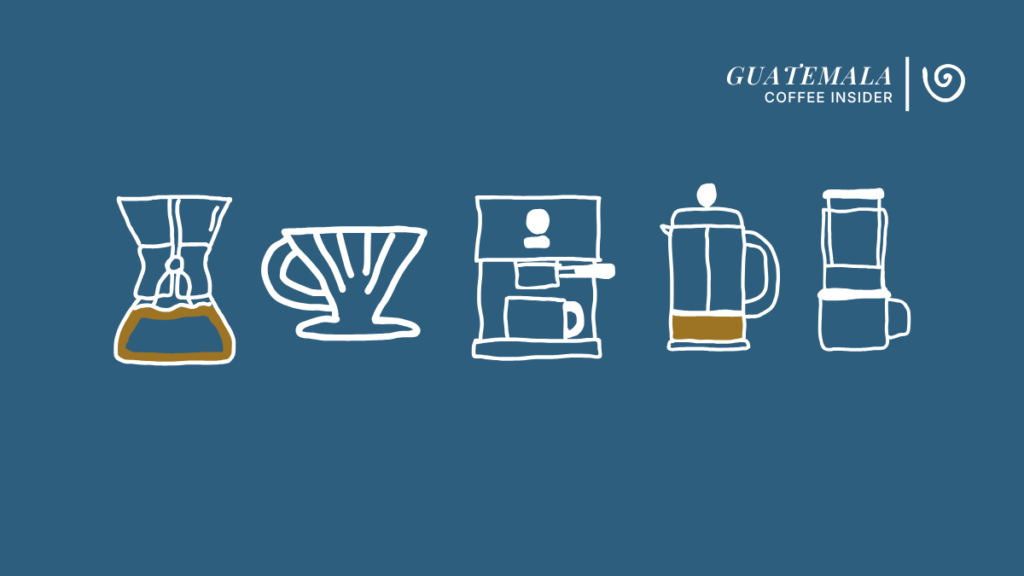
The brewing method you use can dramatically change how coffee tastes.
Some brewing styles highlight body and sweetness, while others emphasize clarity and acidity.
This is one reason why the Antigua vs Huehuetenango coffee comparison becomes even more interesting when brewing methods are involved.
Best for Pour-Over: Huehuetenango
Manual brewing methods like:
- V60
- Chemex
- Kalita Wave
tend to highlight delicate flavor details and acidity.
Because Huehuetenango coffees already have bright and expressive characteristics, pour-over brewing allows those flavors to become more noticeable.
This is where notes like:
- citrus
- berries
- floral aromas
can truly stand out.
For people who enjoy clarity and complexity in the cup, Huehuetenango is often the preferred choice for pour-over brewing.
Best for Espresso: Antigua
Espresso brewing concentrates flavor intensity.
That means balanced coffees with strong sweetness and body usually perform better under pressure extraction.
Antigua’s chocolate-forward profile works especially well here because it creates:
- richer texture
- deeper sweetness
- smoother shots
The lower perceived acidity also helps prevent espresso from tasting overly sharp.
This is why many roasters use Antigua coffees in espresso blends and milk-based drinks.
Best for French Press: Antigua
French Press brewing naturally produces a heavier and fuller-bodied cup.
Because Antigua already has a rounder structure and comforting flavor profile, it pairs extremely well with immersion brewing methods.
The result is often:
- rich body
- chocolate depth
- soft sweetness
rather than bright acidity or high clarity.
Best for Aeropress: Huehuetenango
Aeropress brewing sits somewhere between immersion and pressure brewing, which makes it excellent for highlighting sweetness while maintaining clarity.
Huehuetenango coffees often perform beautifully in Aeropress because the method helps balance:
- citrus brightness
- sugarcane sweetness
- floral complexity
without overwhelming the cup.
For many specialty coffee drinkers, Aeropress is one of the most enjoyable ways to explore brighter Guatemalan coffees.
Which Coffee Region Should You Choose?
When comparing Antigua vs Huehuetenango coffee, there isn’t a universal winner.
The best choice depends entirely on your personal taste preferences and brewing style.
Choose Antigua if you prefer:
- chocolate-forward coffee
- caramel sweetness
- lower perceived acidity
- smooth and comforting cups
- espresso or French Press brewing
Antigua is often the safer starting point for people new to specialty Guatemalan coffee because the profile feels balanced and approachable.
Choose Huehuetenango if you prefer:
- brighter acidity
- fruit-forward flavors
- floral complexity
- layered pour-over experiences
- lighter and more expressive cups
Huehuetenango is usually the better option for people who enjoy exploring nuanced flavors and more vibrant coffee profiles.
The Most Important Difference
The core difference between Antigua vs Huehuetenango coffee is not quality — both regions produce exceptional specialty coffee.
The real difference is style.
Antigua emphasizes:
– balance and comfort
Huehuetenango emphasizes:
– brightness and complexity
Understanding that distinction makes it much easier to choose coffees that actually match your preferences.
Can You Blend Antigua and Huehuetenango?
Absolutely — and many specialty roasters intentionally combine these two regions for that exact reason.
In many ways, Antigua and Huehuetenango complement each other extremely well.
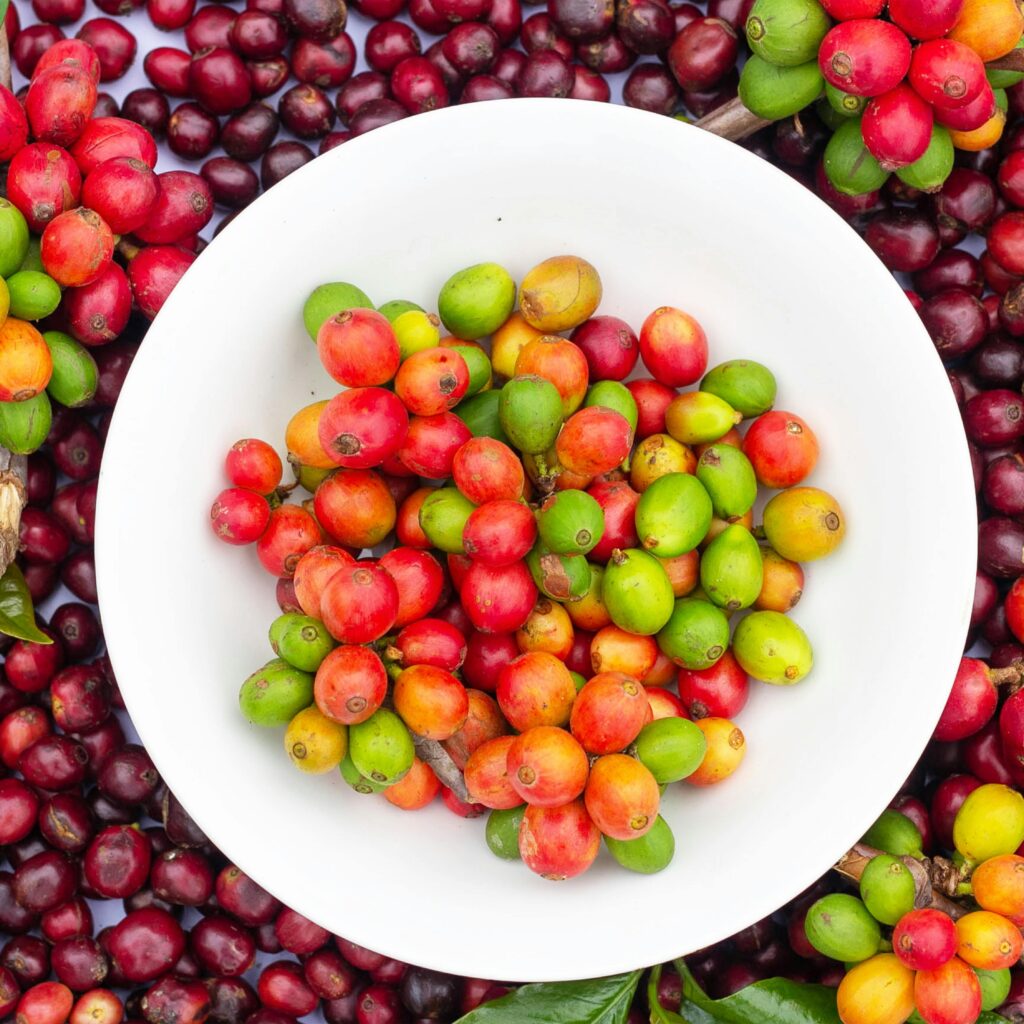
Antigua contributes:
- body
- chocolate sweetness
- balance
while Huehuetenango adds:
- brightness
- fruit complexity
- floral aromatics
When blended correctly, the result can feel more complete than either profile alone.
Why Coffee Blends Exist
Blends are sometimes misunderstood in specialty coffee.
People often assume blends are lower quality, but many high-end roasters use blending strategically to create balance and consistency.
A blend combining Antigua and Huehuetenango can produce:
- sweetness without heaviness
- acidity without harshness
- complexity without losing structure
This is especially useful for:
- espresso blends
- versatile daily coffees
- milk-based drinks
where balance matters as much as complexity.
What a Good Antigua + Huehuetenango Blend Tastes Like
A well-developed blend may combine:
- Antigua’s chocolate and caramel base
with - Huehuetenango’s citrus brightness and floral notes
The result is often:
- balanced but lively
- sweet but clean
- approachable yet interesting
For many coffee drinkers, this combination represents a more complete expression of Guatemalan coffee itself.
Final Thoughts
Antigua and Huehuetenango are not competing regions — they are two distinct expressions of what makes Guatemalan coffee special.
Antigua offers balance, sweetness, and familiarity.
Huehuetenango brings brightness, complexity, and a more expressive cup experience.
Neither region is objectively better. The difference comes down to the type of coffee experience you enjoy most and the brewing methods you prefer to use.
For many people exploring specialty coffee, understanding the contrast between Antigua vs Huehuetenango coffee becomes the moment when coffee starts feeling less generic and more connected to origin.
That’s one of the reasons Guatemalan coffee continues to stand out internationally: even within the same country, regional differences can completely transform the cup.
Whether you prefer the comforting chocolate tones of Antigua or the vibrant citrus complexity of Huehuetenango, both regions offer an excellent introduction to the depth and diversity of Guatemalan specialty coffee.
Author

Marvin Belloso
Writing about Guatemalan coffee, origin, and brewing culture.
Based in Guatemala, Marvin Belloso explores the regions, brewing methods, and stories that shape the country’s specialty coffee culture.
Currently exploring:
Antigua washed coffees & home brewing methods.
Stay in the loop
Get the latest news, brewing guides, and insights about Guatemala coffee delivered straight to your inbox.
Suscribe to our free newsletter!
FAQ
Neither region is universally better.
Antigua coffee is usually preferred by people who enjoy balanced, chocolate-forward cups with lower perceived acidity. Huehuetenango coffee is often favored by people who prefer brighter acidity, fruit complexity, and more expressive pour-over experiences.
Yes — in most cases, Huehuetenango coffee presents brighter and more noticeable acidity compared to Antigua.
However, in specialty coffee, acidity refers more to brightness and liveliness rather than sourness.
Antigua’s volcanic soil, stable climate, and balanced growing conditions often contribute to flavor profiles associated with:
– chocolate
– caramel
– nuts
– light spice
These characteristics tend to create smoother and more comforting cups.
Antigua coffee is generally considered better for espresso because its body, sweetness, and balanced acidity hold up extremely well under pressure extraction.
That’s why many espresso blends use Antigua-style profiles as their foundation.
Huehuetenango is usually the preferred choice for pour-over methods like V60 and Chemex because its floral and citrus complexity becomes easier to notice with cleaner brewing styles.
Absolutely.
While Huehuetenango is often associated with more complex flavor profiles, many beginners enjoy it once they become familiar with brighter specialty coffee styles.
It’s especially good for people who enjoy fruit-forward flavors.
Yes — and many specialty roasters intentionally combine them.
Antigua adds sweetness and body, while Huehuetenango contributes brightness and complexity. Together, they can create a more balanced and versatile cup.
The main difference is flavor expression.
Antigua coffee is usually:
– smoother
– chocolate-forward
– balanced
Huehuetenango coffee is typically:
– brighter
– fruitier
– more layered
Both are high-quality Guatemalan coffee regions, but they offer very different cup experiences.