How to Brew Guatemalan Coffee: Brewing Methods, Regions & Flavor Guide
Guatemalan coffee is often recognized for its balance, complexity, and regional diversity.
But one of the most overlooked aspects of specialty coffee is how dramatically the brewing method can change the final cup.
The same coffee can taste:
- sweeter or brighter
- heavier or cleaner
- more chocolate-forward or more floral
depending entirely on how it is brewed.
This becomes especially important with Guatemalan coffee because the country produces a wide range of flavor profiles across different regions.
A chocolate-forward Antigua coffee may shine in espresso, while a citrusy Huehuetenango lot might reveal far more complexity in a pour-over brewer.
Understanding how brewing methods interact with origin is one of the best ways to appreciate Guatemalan coffee more deeply — even at home.
If you are still exploring the differences between Guatemala’s major coffee regions, you may also enjoy our comparison of Antigua vs Huehuetenango coffee, where we break down how origin changes flavor in the cup.
Why Brewing Method Matters
Coffee brewing is essentially extraction.
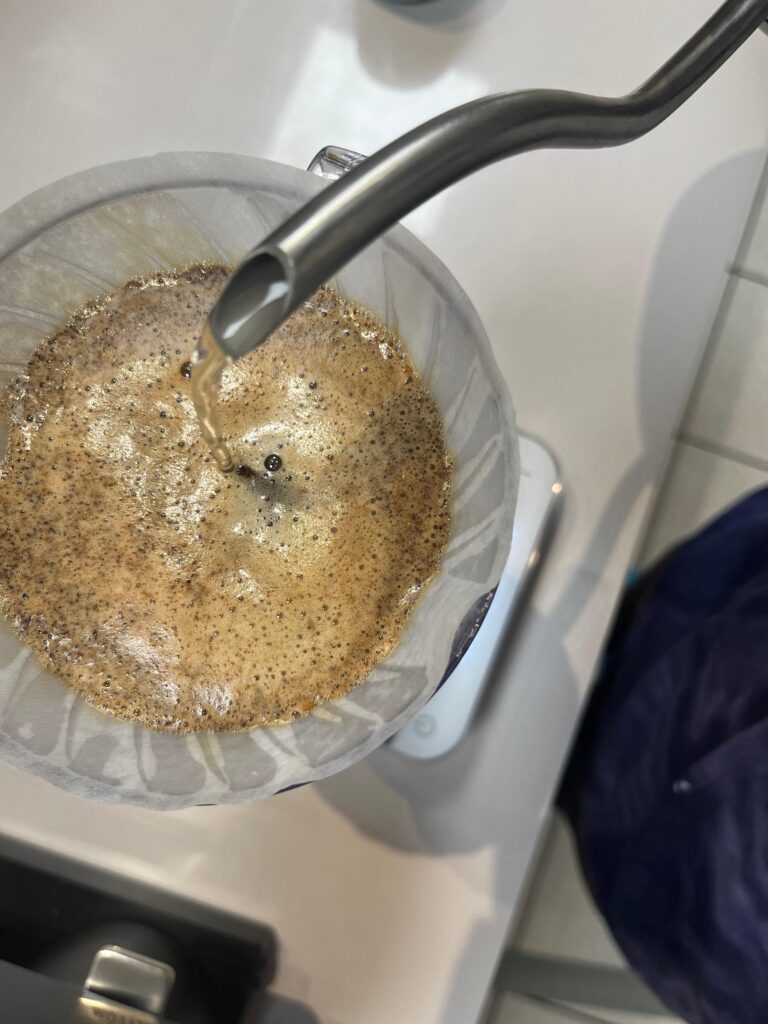
Hot water dissolves flavors, oils, sugars, and acids from the coffee grounds. But different brewing methods extract those compounds differently.
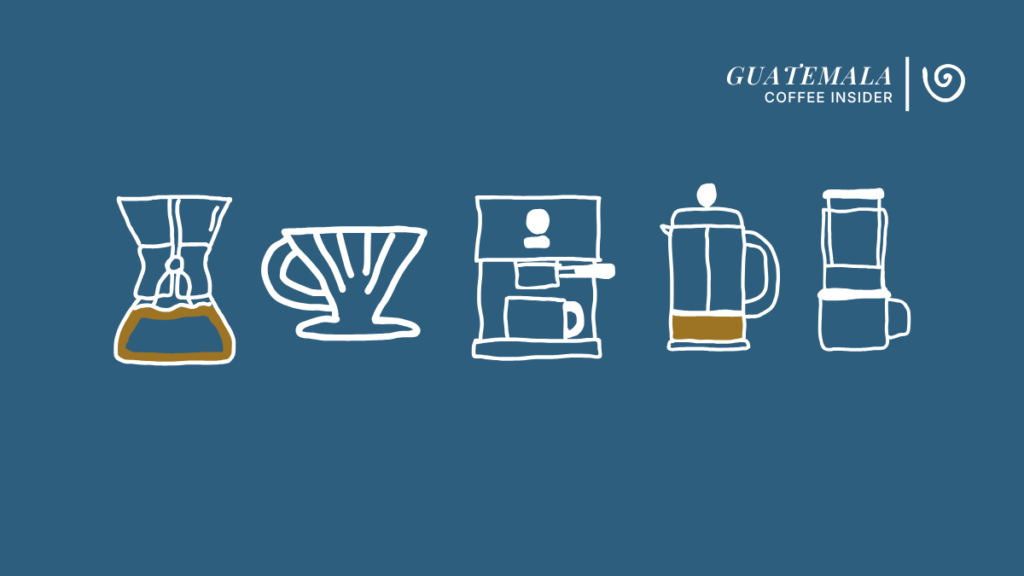
This is why the same Guatemalan coffee can taste dramatically different depending on whether it is prepared in:
- a V60
- an espresso machine
- a French Press
- an Aeropress
or even a Moka Pot.
The brewing method becomes part of the flavor experience itself.
For example:
- immersion methods usually create heavier body
- paper-filter brewing creates more clarity
- pressure brewing intensifies sweetness and texture
Because Guatemala produces coffees with distinct regional personalities, choosing the right brewing method can help highlight the characteristics that make each region special.
Best Brewing Methods for Guatemalan Coffee
Here’s a practical guide to the best brewing methods according to different Guatemalan origins and flavor profiles:
Pour-Over (V60 or Chemex)
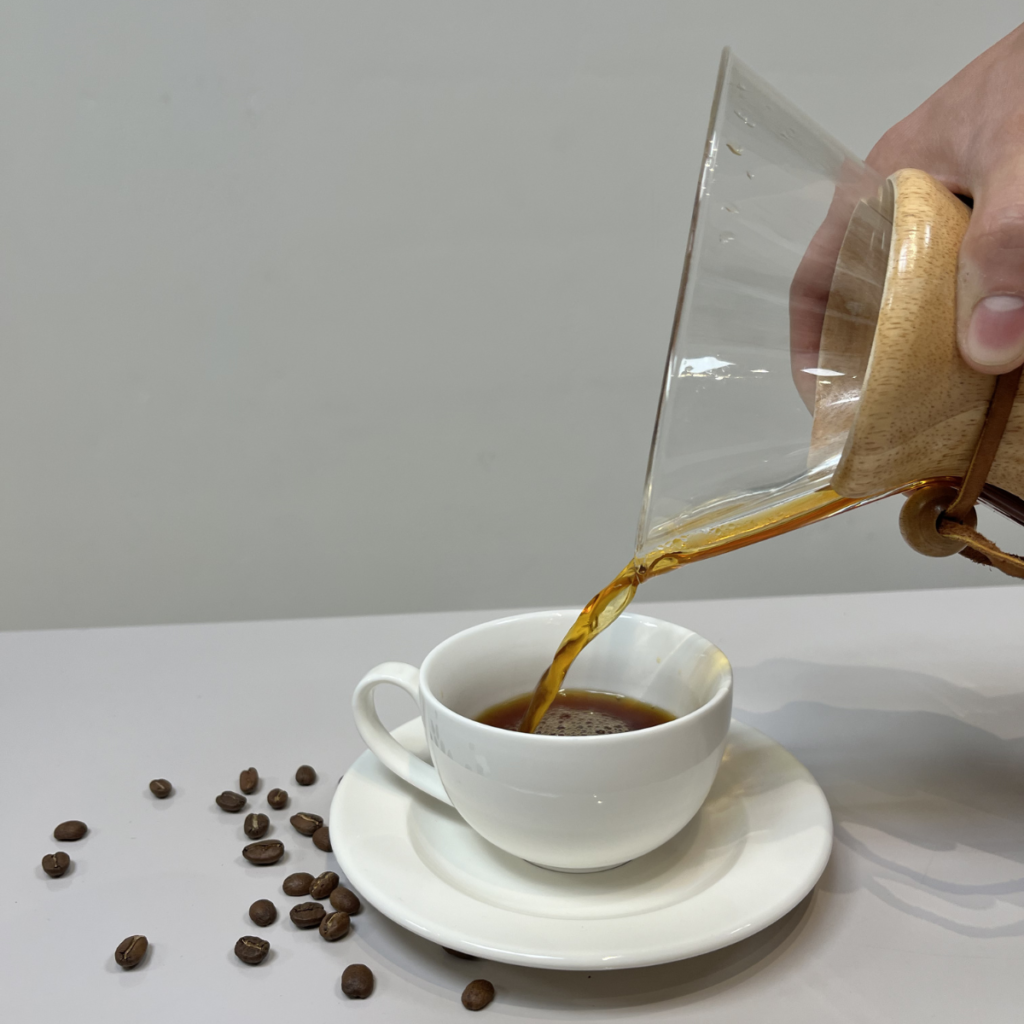
Best brewing method for Guatemalan coffee when you want maximum clarity and nuance.
What it highlights: Bright acidity, floral notes, citrus, and delicate sweetness.
Best Guatemalan coffee for pour-over:
- Huehuetenango (especially washed high-altitude lots)
- Atitlán
- Fraijanes
Ideal profile: Light to medium-light roast, washed process, grown above 1,500 meters.
This method is excellent for experiencing the true complexity of high-grown Guatemalan beans.
Espresso
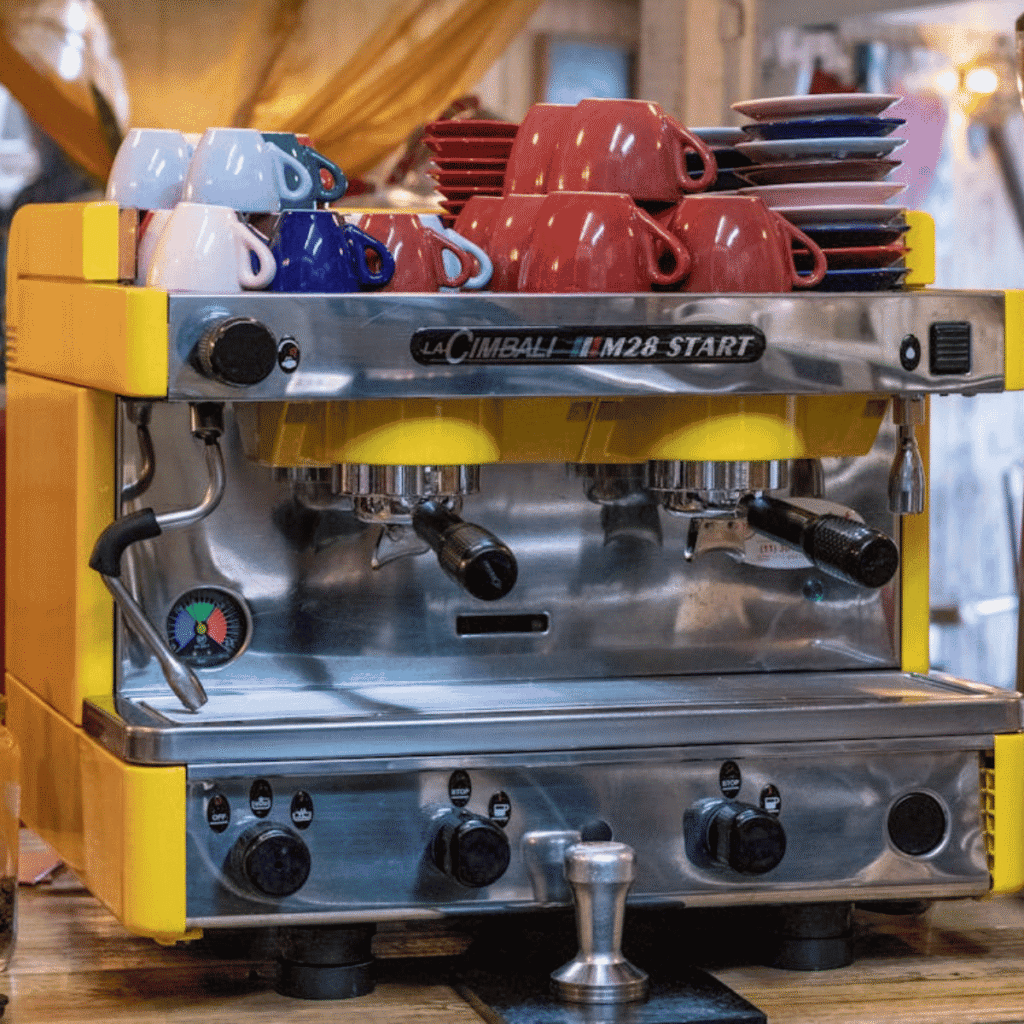
Guatemalan coffee espresso can be outstanding when you choose the right origins.
What it highlights: Rich body, natural sweetness, chocolate, and caramel notes.
Best regions:
- Antigua
- Acatenango
Ideal profile: Medium roast, dense beans with chocolate-forward characteristics.
Many people are surprised how well Guatemalan coffee works for espresso.
French Press
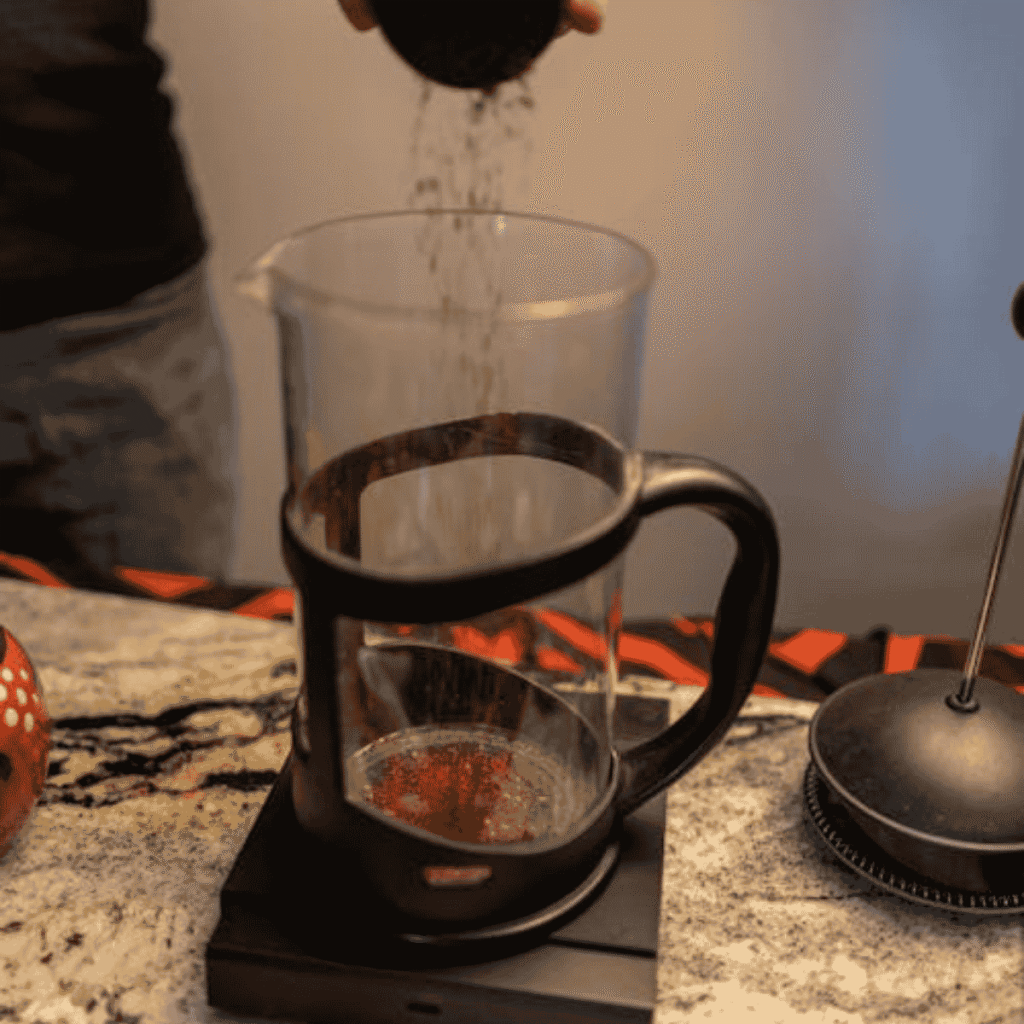
A classic, forgiving method that delivers excellent mouthfeel.
What it highlights: Heavy body, texture, and deep sweetness.
Best regions: Antigua, Cobán, and some medium roasts from Huehuetenango.
Ideal when you prefer a fuller, more comforting cup.
AeroPress
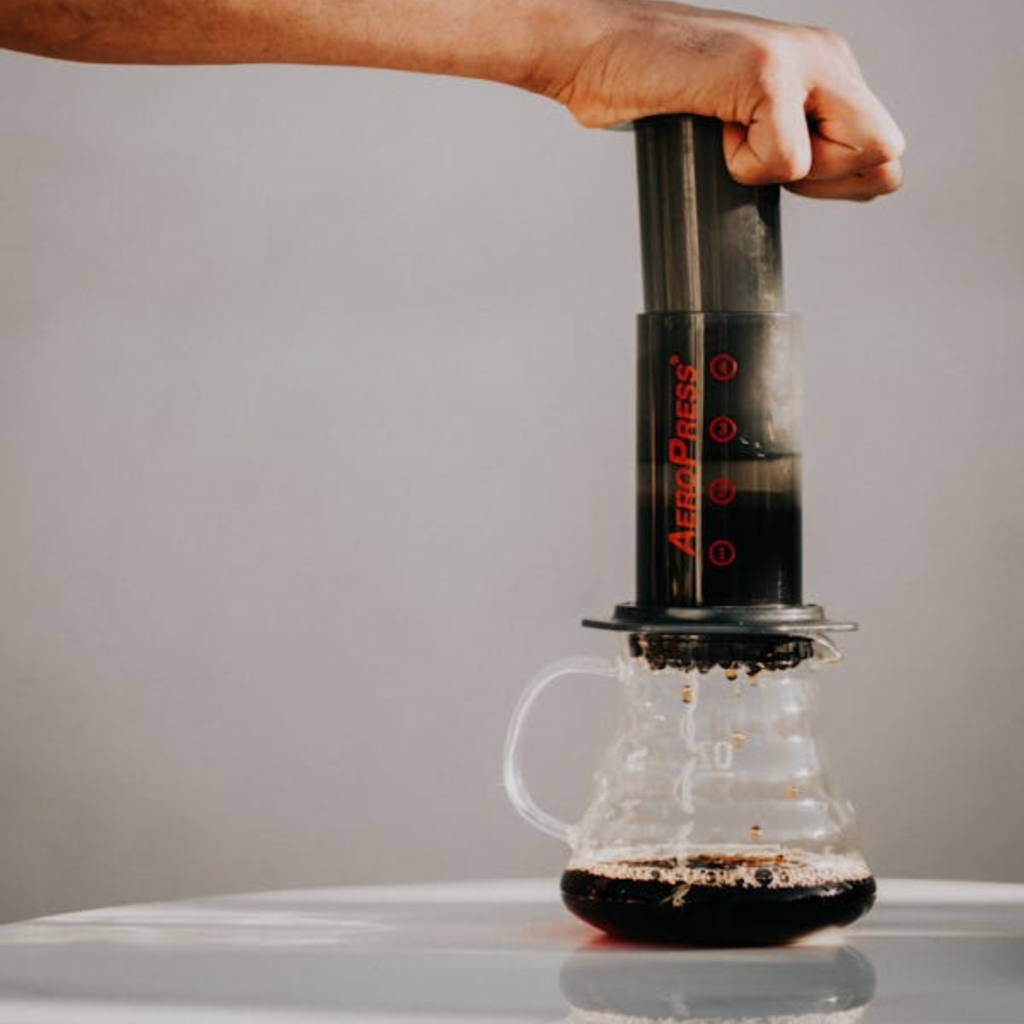
One of the most versatile methods for brewing specialty coffee at home.
What it highlights: Great balance between clarity and body.
Best regions: Huehuetenango, Fraijanes, and many regional blends.
Moka Pot
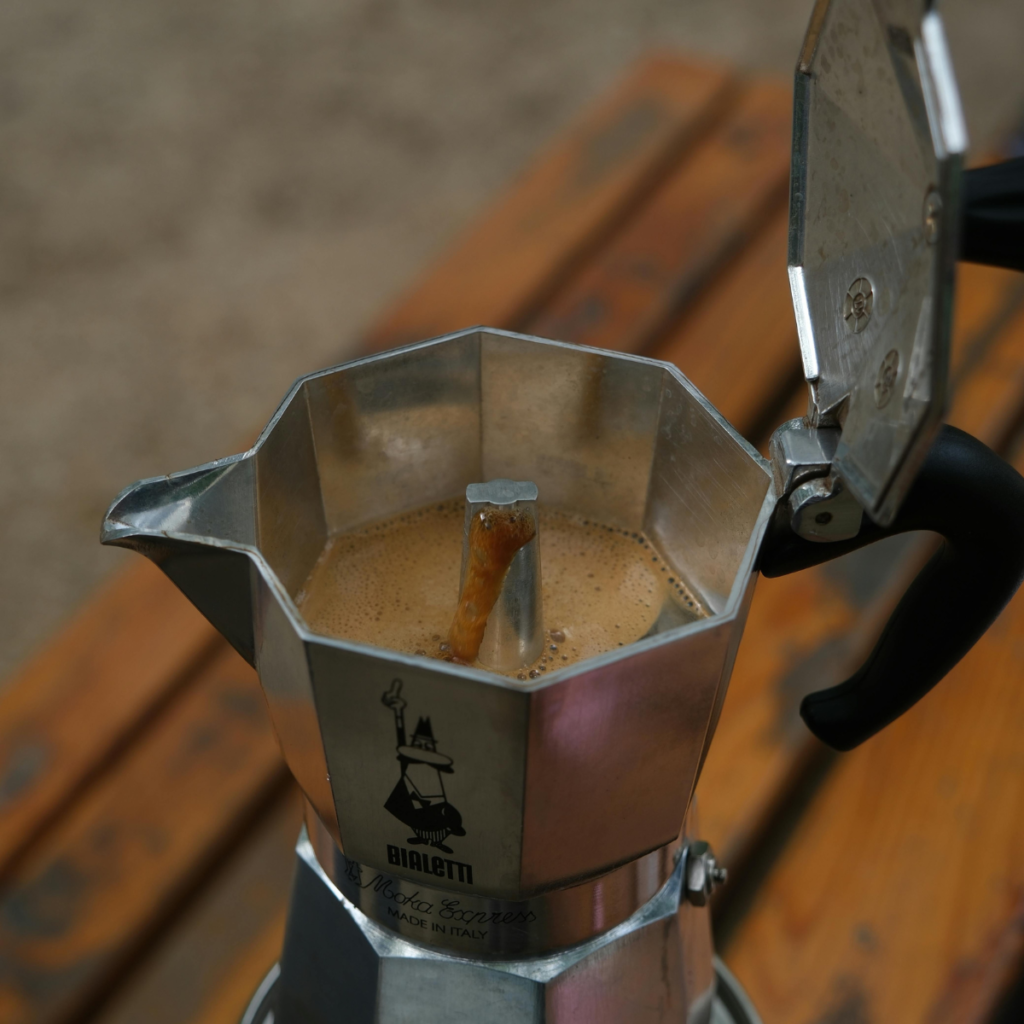
A popular traditional method in many Guatemalan households.
What it highlights: Intensity, caramelized sweetness, and bold flavor.
Best with: Antigua beans and medium-dark roasts.
What Roast Level Works Best?
Light roast: Best for pour-over and AeroPress. Highlights florals, citrus, and bright acidity (ideal with Huehuetenango).
Medium roast: The sweet spot for most Guatemalan coffees. Excellent balance across methods.
Medium-dark roast: Perfect for espresso and Moka Pot, especially beans from Antigua.
How Fresh Should Guatemalan Coffee Be?
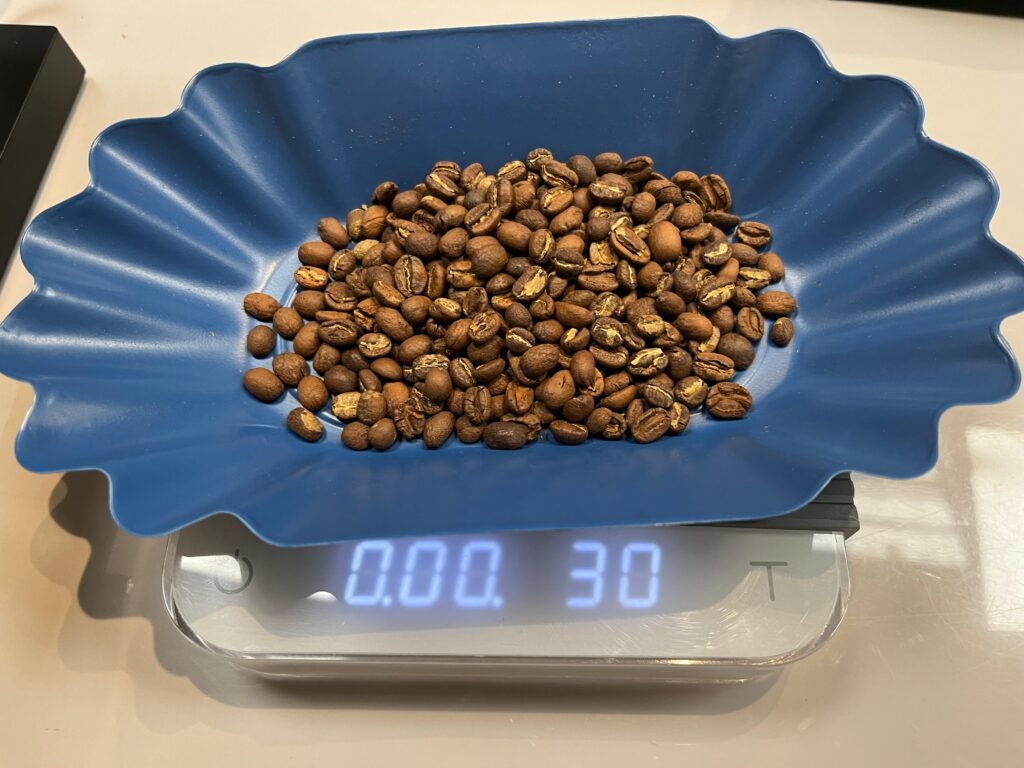
Freshness dramatically affects how good your Guatemalan coffee tastes.
Try to use beans within 2 to 6 weeks after the roast date. After 4–5 weeks, many of the bright and floral notes start to fade. Always check the roast date printed on the bag.
Common Brewing Mistakes with Guatemalan Coffee
- Using boiling water (92–96°C is ideal for most methods)
- Wrong grind size for your chosen method
- Not adjusting brew ratio when changing origins
- Using light roast in French Press or Moka Pot
- Storing coffee improperly (avoid clear jars and heat)
Final Thoughts
Guatemala produces many different coffees, not just one flavor. Learning how to brew Guatemalan coffee according to its origin and roast level is one of the best ways to truly appreciate its quality and make it taste better at home.
Experiment with different methods and take notes. The more you understand your beans, the more rewarding your daily cup becomes.
FAQ
It depends on the bean, but pour-over (V60 or Chemex) is usually the best for highlighting the unique characteristics of Guatemalan coffee.
Yes. Beans from Antigua and Acatenango with medium roasts often produce excellent espresso with great body and sweetness.
Huehuetenango and Atitlán washed coffees, especially light roasts from high altitudes.
Use fresh beans (within 4-6 weeks of roast), match the brewing method to the origin, and dial in your grind size and water temperature.
Author

Marvin Belloso
Writing about Guatemalan coffee, origin, and brewing culture.
Based in Guatemala, Marvin Belloso explores the regions, brewing methods, and stories that shape the country’s specialty coffee culture.
Currently exploring:
Antigua washed coffees & home brewing methods.
Stay in the loop
Get the latest news, brewing guides, and insights about Guatemala coffee delivered straight to your inbox.
Suscribe to our free newsletter!