You can spend $25 on a bag of single-origin Huehuetenango — dry-processed, high-altitude, harvested by hand — and still end up with a flat, bitter cup.
Not because the beans are bad. Because the grind was wrong.
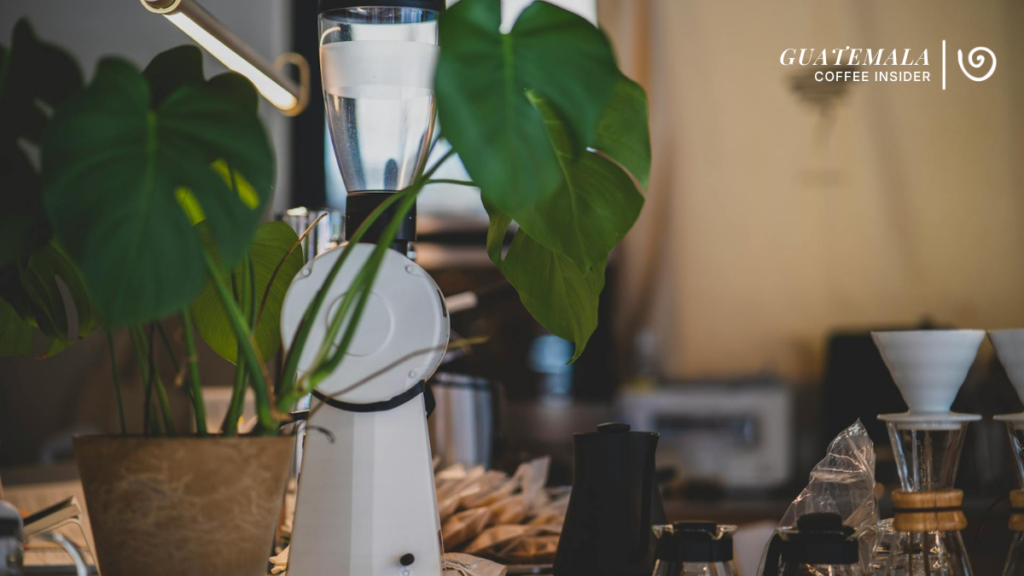
This is the part most people skip. They research origins, compare roasters, read flavor notes. Then they grind with whatever blade grinder came with a bundle deal three years ago and wonder why the coffee tastes like nothing special.
The grinder is where flavor is either preserved or destroyed. And with Guatemalan coffee specifically — beans grown at altitude with complex profiles built from volcanic soil and slow cherry development — an inconsistent grind erases exactly what makes them worth buying.
This guide covers the best burr grinders for Guatemalan coffee in 2026: one for every brewing method, one for every budget. If you already know which grinder you want, jump ahead. If you’re starting from scratch, the next section explains exactly why this upgrade matters more than any other.
Why Grind Quality Matters More with Guatemalan Coffee
Most coffee guides treat the grinder as an afterthought. A box to check after you’ve chosen your beans and your brewing method.
That’s backwards — and it’s especially costly with Guatemalan coffee.
Here’s why: Guatemalan beans are grown at elevations between 1,300 and 2,000 meters above sea level. At that altitude, the coffee cherry develops slowly. Sugars concentrate. Acidity becomes structured rather than sharp. The result is a bean with layered flavor — chocolate, fruit, spice — that only reveals itself under the right extraction conditions.
Inconsistent grind size destroys that layering. When your grounds are uneven, fine particles over-extract (producing bitterness) while coarse particles under-extract (producing sourness) — often in the same cup. The complexity you paid for gets buried under competing defects.
A quality burr grinder solves this by producing uniform particle size on every grind. Uniform particles extract evenly. Even extraction means the flavor in the cup actually reflects what’s in the bean.
If you want to understand how different Guatemalan regions respond to extraction — why Huehuetenango rewards precision brewing differently than Antigua — this comparison breaks it down.
Burr grinder vs blade grinder: what’s the real difference?
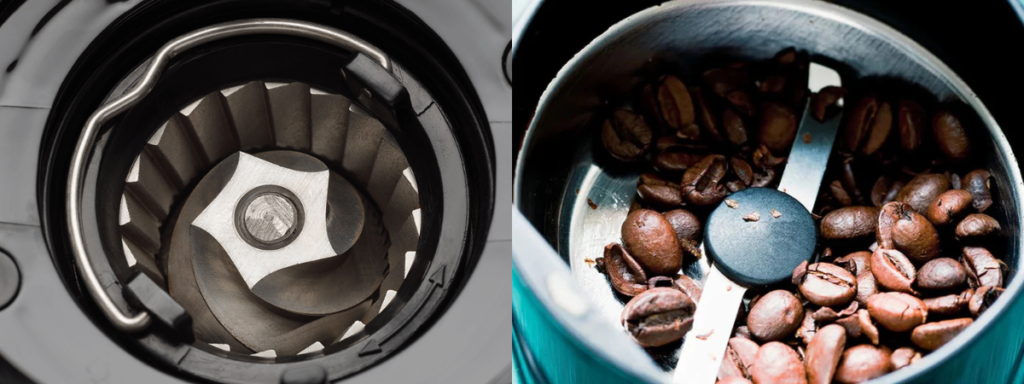
A blade grinder works like a blender. A spinning blade chops beans at random, producing a mix of fine dust and large chunks. Those particles extract at completely different rates, which is why blade-ground coffee often tastes simultaneously bitter and weak.
A burr grinder works differently. Two abrasive surfaces — called burrs — crush the bean to a controlled, uniform size. The gap between the burrs determines how coarse or fine the grind is, and you can adjust it precisely depending on your brewing method.
The practical difference in the cup is significant: burr-ground coffee extracts cleanly, burr-ground coffee lets you dial in a recipe, and burr-ground coffee actually tastes like what you bought.
For Guatemalan specialty coffee, a blade grinder isn’t just suboptimal — it’s actively working against you.
What grind size does Guatemalan coffee need?
Different brewing methods require different grind sizes, and Guatemalan beans respond predictably to each. Here’s the quick reference:
Pour-over (V60, Chemex): Medium-fine. Think table salt. This is where the brightness of a Huehuetenango or the clean chocolate notes of an Antigua really open up. You need a grinder with enough adjustment range to dial in precisely — a coarse mis-grind here produces weak, watery coffee.
French press: Coarse. Think rough sea salt. Coarse grind prevents the fine particles from passing through the mesh filter and muddying the cup. Atitlán and other full-bodied Guatemalan coffees work especially well here.
Drip / automatic brewer: Medium. This is the most forgiving method, and a good medium grind hits consistently with most Guatemalan profiles.
Espresso: Fine to extra-fine. This requires a grinder with tight, stepless adjustment — not all of the grinders in this guide are suited for it, and we’ll flag which ones are.
The right grind is where extraction begins. How to brew Guatemalan coffee covers the full brewing side once you have your grind dialed in.
Best Burr Grinders for Guatemalan Coffee (Our Top Picks)
Not every grinder on this list costs the same, and not every one is right for every brewer. What they have in common: consistent burr grinding, enough grind range to cover the main Guatemalan brewing methods, and a real price-to-performance case worth making.
Each pick below includes a note on which Guatemalan coffee profile it serves best — because a grinder that unlocks a Huehuetenango pour-over isn’t necessarily the right tool for an Atitlán French press.
Baratza Encore ESP — Best overall for home brewing
Price: ~$200 · Burrs: 40mm conical · Grind settings: 40 · Espresso capable: Yes
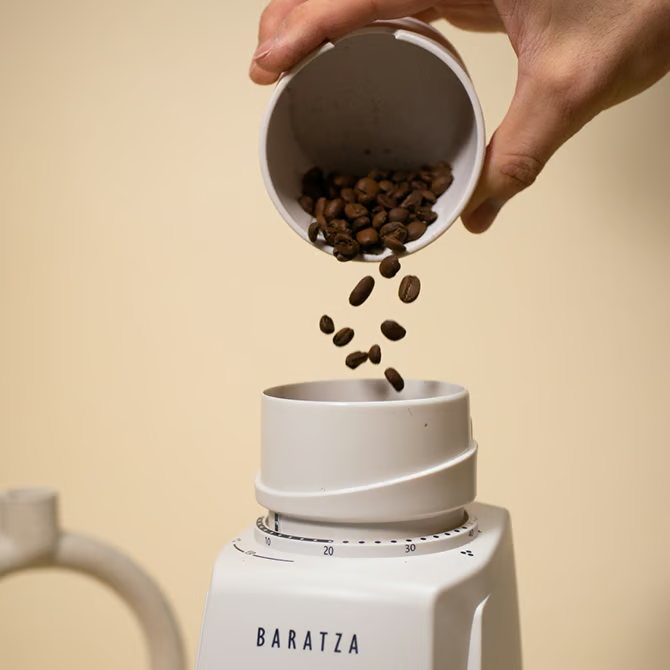
If you brew Guatemalan coffee at home and you want one grinder that handles everything without overthinking it, start here.
The Baratza Encore ESP is the updated version of what has been the most recommended entry-level burr grinder in specialty coffee for over a decade. The key upgrade from its predecessor is a dual-range adjustment system: the first 20 settings are compressed specifically for espresso, where each click represents just 9 microns of burr movement. The remaining 20 settings cover the full range from AeroPress through French press.
For Guatemalan coffee specifically, it performs best in the medium to medium-fine range — which is exactly where Antigua and Cobán profiles shine. The balanced, chocolatey character of an Antigua washed coffee comes through cleanly at pour-over settings, and the low-acid Cobán profile holds up well at drip.
What makes this grinder a strong default recommendation is repairability. Baratza sells individual replacement parts and publishes repair guides — which means the grinder you buy for $200 today can last a decade with basic maintenance.
Best for: Daily brewing across multiple methods · beginners and intermediate home brewers · anyone who also pulls occasional espresso shots.
Worth knowing: For pure filter coffee, some grinders at this price beat it on consistency. But no other grinder at $200 covers this range of methods as reliably.
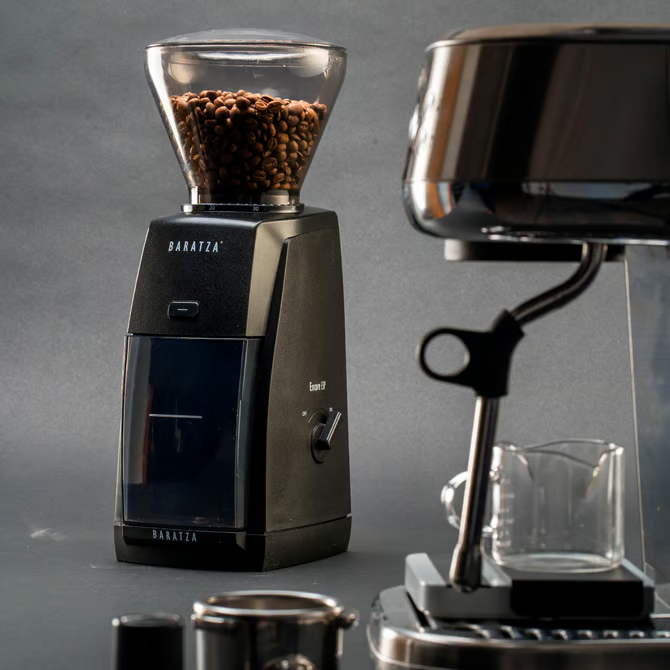
Baratza Encore ESP
The most reliable all-rounder at $200. Covers pour-over, drip, and espresso — and it’s built to last a decade. The default recommendation for most home brewers.
Fellow Ode Gen 2 — Best for pour-over and single-origin clarity
Price: ~$345–$400 · Burrs: 64mm flat · Grind settings: 31 · Espresso capable: No
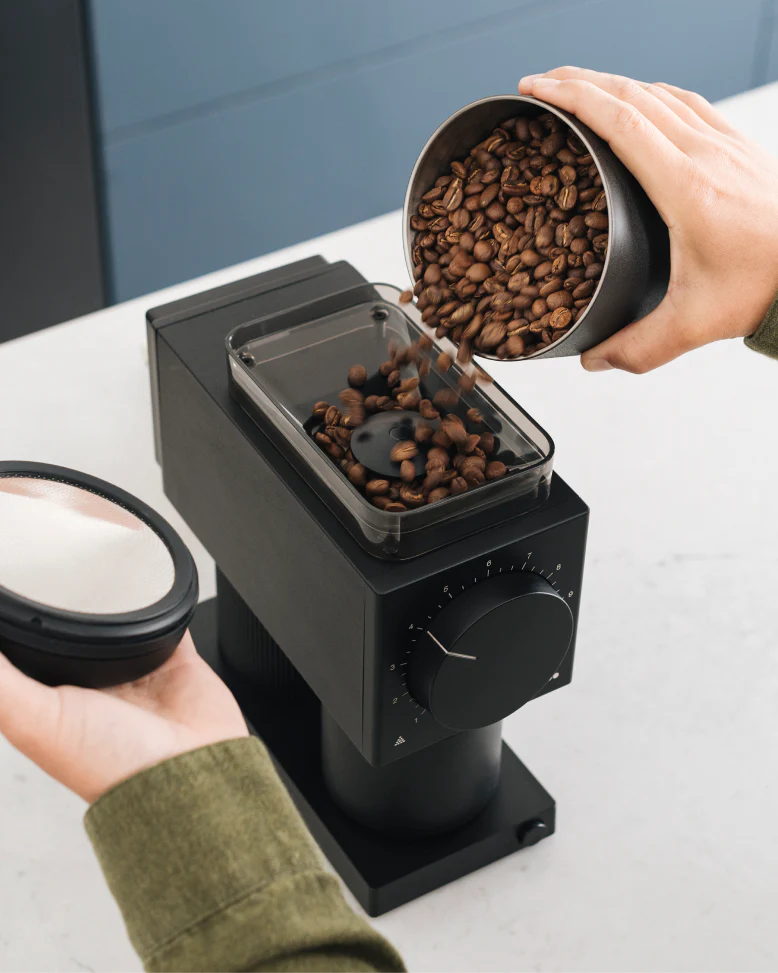
The Fellow Ode Gen 2 does one thing and it does it better than almost anything at its price point: it grinds for filter coffee with exceptional clarity.
The 64mm flat burrs produce a highly uniform particle distribution. That uniformity matters more with high-altitude Guatemalan beans than it does with commodity coffee — because when you’re brewing a Huehuetenango with fruity, wine-like acidity and floral notes, those flavors only separate cleanly when extraction is even. Uneven grind particles muddy the cup. The Ode keeps things precise.
The Gen 2 update added improved burrs with a two-stage grinding geometry, an anti-static system that keeps grounds from scattering, and a larger load bin. The result is a noticeably cleaner workflow and a cup with more definition than the original.
One important caveat: the Ode Gen 2 does not grind fine enough for espresso. This is a deliberate design choice — Fellow built it for filter brewing, and chasing two masters produces average results at both. If you brew exclusively pour-over (V60, Chemex) or French press and want the best grind quality under $400, this is it.
Best for: Pour-over enthusiasts · single-origin Guatemalan beans · V60 and Chemex · anyone who wants café-level grind quality at home without espresso needs.
Worth knowing: If budget is a constraint, the gap between this and the Baratza Encore ESP narrows significantly for everyday drip brewing. The Ode earns its premium specifically for pour-over precision.
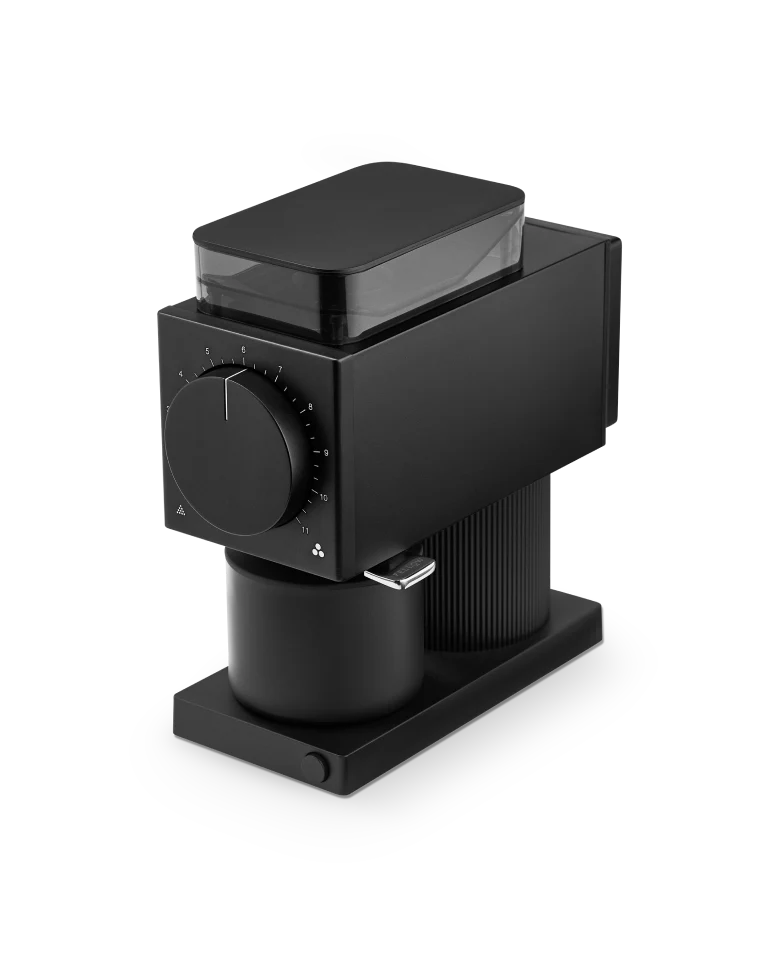
Fellow Ode Gen 2
Built exclusively for filter coffee. If pour-over is your primary method and you want café-level grind precision at home, this is the upgrade that makes sense.
OXO Brew Conical Burr Grinder — Best budget electric option
Price: ~$100–$110 · Burrs: Stainless steel conical · Grind settings: 15 · Espresso capable: No
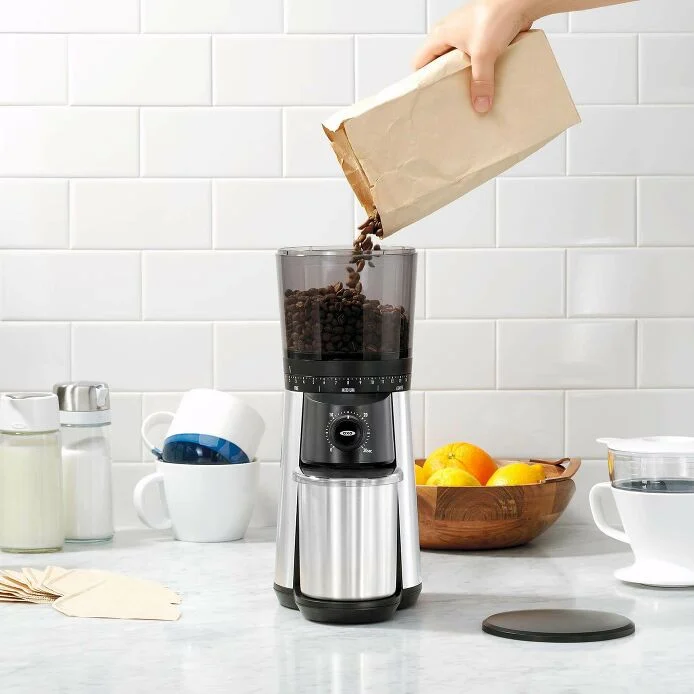
For a first real burr grinder, the OXO Brew is the most straightforward recommendation at under $115.
It won’t match the grind consistency of the Baratza or the Fellow, and 15 settings offer less precision for dialing in a specific recipe. But it grinds evenly enough for drip and basic pour-over, it’s quiet, and it makes the jump from blade grinder to burr grinder accessible without requiring a major commitment.
For everyday Guatemalan coffee at drip settings — a medium roast Antigua going into an automatic brewer — the OXO delivers a noticeably cleaner cup than any blade grinder will. The improvement is immediate and obvious. That’s the point of this grinder: it removes the biggest obstacle between someone and decent home coffee.
Best for: First-time burr grinder buyers · drip and casual pour-over · anyone upgrading from a blade grinder on a budget.
Worth knowing: The limited adjustment range makes it harder to dial in lighter roasts precisely. For Huehuetenango or other high-acidity profiles where grind precision matters more, the Baratza Encore ESP is worth the extra $90.
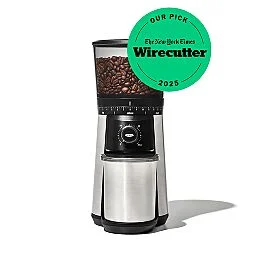
OXO Brew Conical Burr Grinder
The most accessible entry into burr grinding. At ~$100, it’s a genuine step up from any blade grinder — clean, quiet, and consistent for everyday drip brewing.
1Zpresso JX-Pro — Best manual grinder for precision brewing
Price: ~$160 · Burrs: 48mm conical · Grind settings: 200 micro-clicks · Espresso capable: Yes
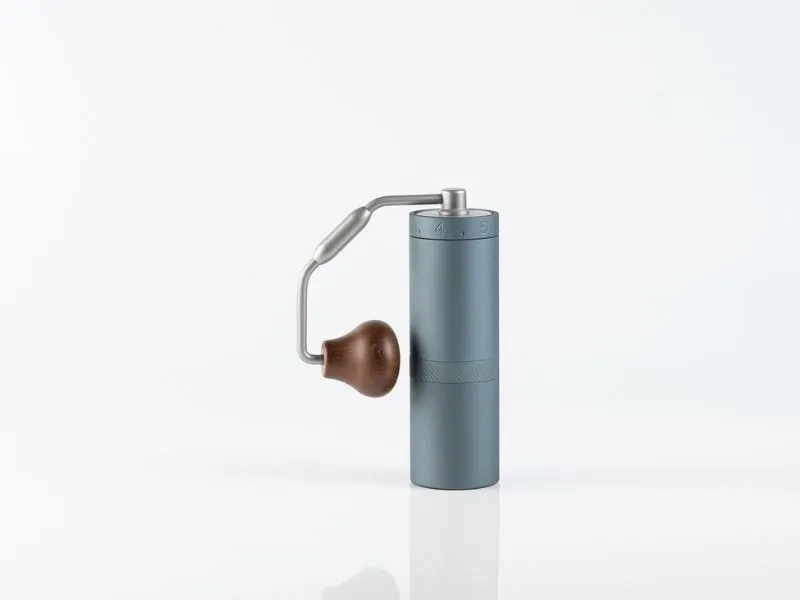
Manual grinders are the most underrated category in home coffee — and the 1Zpresso JX-Pro is the clearest example of why.
At $160, it delivers grind consistency that competes with electric grinders at twice the price. The 48mm stainless steel conical burrs are housed in a solid aluminum body, and the adjustment system is precise to 12.5 microns per click — which gives you 200 distinct settings across the full grind range. That level of control is unusual at any price. In an electric grinder, it doesn’t exist until you spend significantly more.
For Guatemalan specialty coffee, the JX-Pro rewards careful brewing. Dial it into medium-fine for a V60, and the structure of a high-altitude Huehuetenango becomes immediately more articulate — the brightness is controlled, the fruit notes separate, the finish is clean. The same bean on a blade grinder produces a cup that tastes like none of those things.
The trade-off is effort. A single dose for a pour-over takes about 60–90 seconds of grinding by hand. For some people that becomes part of the ritual; for others it gets old. Either way, the quality is real.
Best for: Coffee enthusiasts who enjoy hands-on brewing · travel · pour-over and V60 · anyone who wants maximum precision on a mid-range budget.
Worth knowing: The JX-Pro has been largely superseded by the newer 1Zpresso K-series for all-round use. If you’re primarily filter-focused, the JX-Pro still holds up well. If you want to do espresso seriously, look at the J-Ultra.
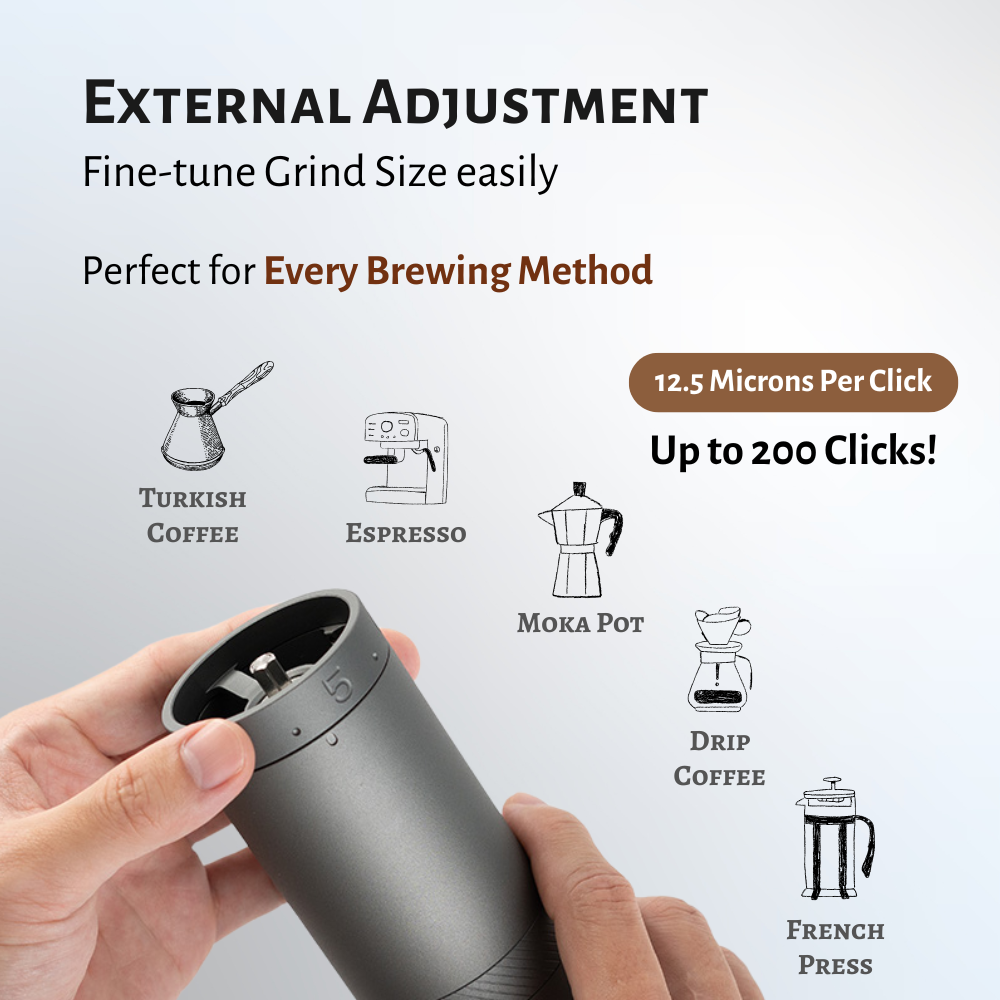
1Zpresso JX-Pro
200 grind settings, exceptional consistency, no electricity required. The manual grinder that outperforms electric options twice its price.
Bodum Bistro Electric Burr Grinder — Best entry-level option under $60
Price: ~$50–$60 · Burrs: Stainless steel conical · Grind settings: 12 · Espresso capable: No
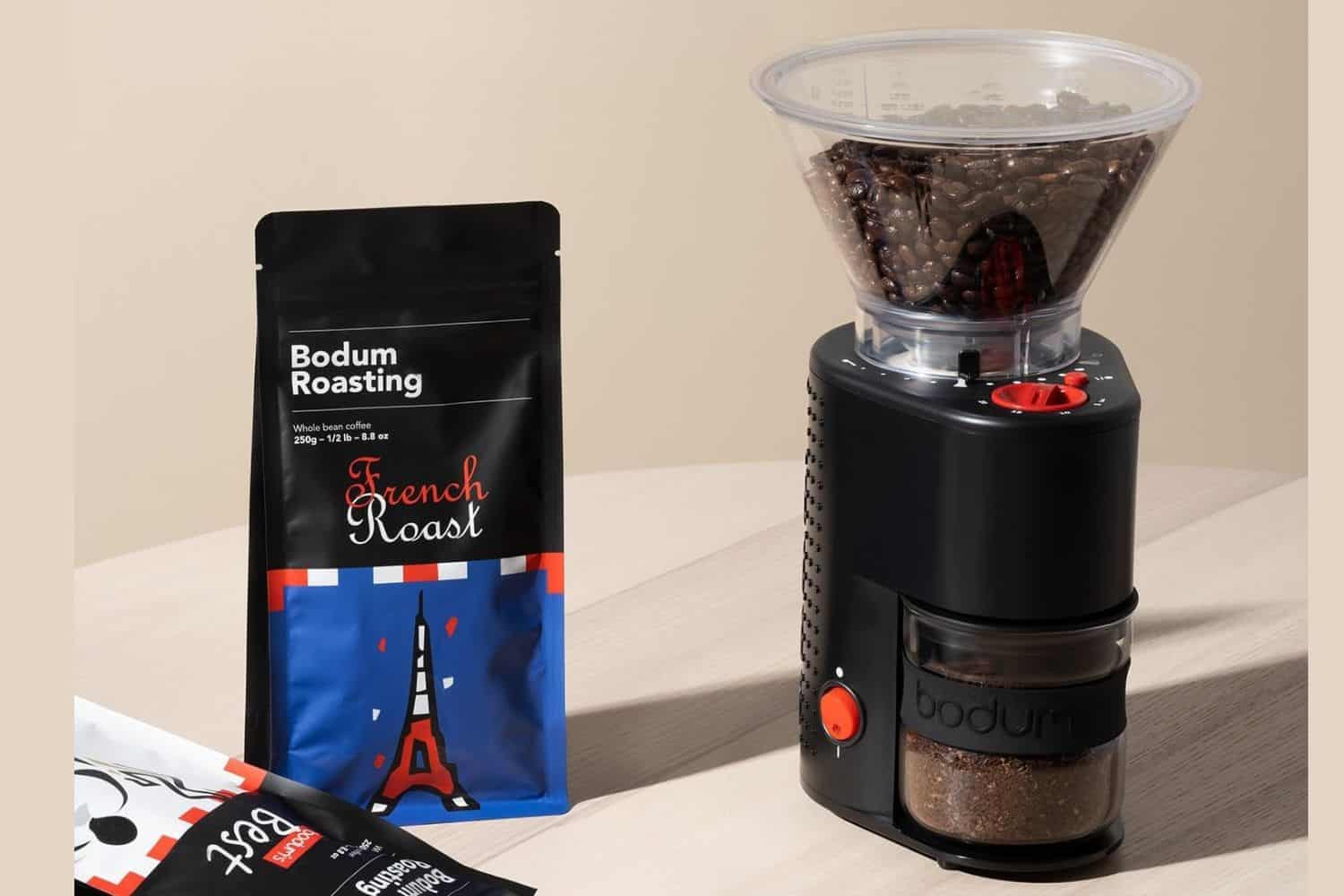
The Bodum Bistro is a limited grinder. Twelve settings, some static buildup, retention that’s higher than ideal. It won’t produce the kind of precision that specialty coffee usually asks for.
But it does one thing well: it grinds more consistently than any blade grinder, and it does it for under $60.
For someone brewing Guatemalan coffee through a drip machine or a basic French press — someone who isn’t ready to spend $100+ but wants a real step up from chopped grounds — the Bistro bridges that gap. A medium-coarse Guatemalan blend through a Bodum Bistro and a French press produces a recognizably better cup than the same beans run through a blade grinder.
Think of it as a temporary grinder: one that gives you a genuine improvement now while you decide how deep into the hobby you want to go.
Best for: Casual brewers on a tight budget · drip and French press · a first grinder that’s better than what you already have.
Worth knowing: If you can stretch to $100, the OXO Brew is a meaningfully better grinder. The Bodum’s appeal is almost entirely its price point.
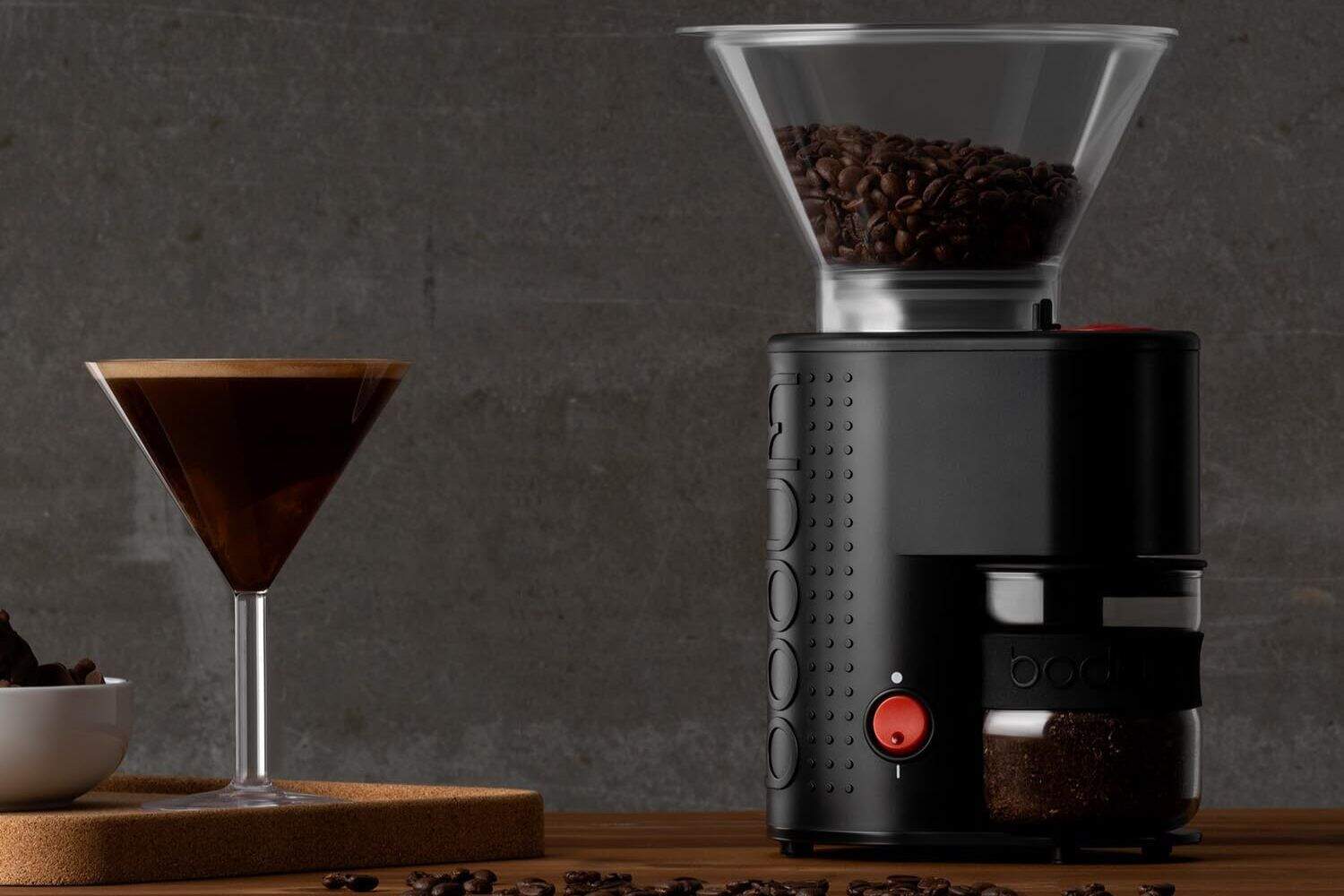
Bodum Bistro Electric Burr Grinder
The honest starter option. Limited settings, but grinds more evenly than any blade grinder — and at under $60, it removes every barrier to getting started.
How to Choose the Right Grinder for Your Brewing Style
The five grinders above cover a wide range of budgets and use cases. But the best grinder for you isn’t necessarily the most expensive one — it’s the one that matches how you actually brew Guatemalan coffee at home.
Use this section as a decision filter.
For pour-over (V60, Chemex)
Pour-over is the most demanding method on this list. It rewards grind precision more than any other brewing style because every variable — water temperature, pour rate, contact time — interacts directly with particle size. An uneven grind amplifies every mistake; a precise grind gives you control.
For Guatemalan coffee, pour-over is also the method that best expresses what makes each region distinct. The bright, wine-like acidity of a Huehuetenango becomes structured and clean. The citrus-chocolate complexity of an Antigua opens up in ways that drip coffee flattens out. Getting the grind right is what makes those differences audible.
Best picks: Fellow Ode Gen 2 if budget allows. Baratza Encore ESP as the reliable all-rounder. 1Zpresso JX-Pro if you prefer manual and want exceptional precision at a lower price.
Target grind size: Medium-fine — roughly the texture of table salt.
For French press
French press is the most forgiving method here, but it has its own specific requirement: a coarse, consistent grind. The metal mesh filter doesn’t catch fine particles the way paper does, so excess fines end up in the cup as sediment and bitterness.
A blade grinder is particularly damaging for French press because its inconsistent chop produces a high percentage of fines even when the average particle is coarse. The result is a muddy, over-extracted cup even when brewing time is correct.
With a good burr grinder at a coarse setting, Guatemalan coffees with heavier body profiles — Atitlán, Cobán — show their best character in a French press. The texture is richer, the finish longer, and the low acidity of a Cobán becomes a feature rather than a flaw.
Best picks: Baratza Encore ESP or Bodum Bistro for everyday use. 1Zpresso JX-Pro if you want a manual option with good coarse performance.
Target grind size: Coarse — roughly the texture of rough sea salt or raw sugar.
For drip and automatic brewers
Drip brewing is where most people start, and it’s where the jump from blade to burr grinder makes the most immediate, noticeable difference. You don’t need to dial in settings or adjust variables — you just need a consistent medium grind and a decent machine.
For Guatemalan coffees at medium roast — the most common profile you’ll find in specialty bags from Antigua or Cobán — a medium grind in a well-calibrated drip brewer produces a clean, balanced cup that requires no technique at all. The beans do the work.
Best picks: OXO Brew for budget-conscious buyers. Baratza Encore ESP if you want more precision and the option to switch methods later.
Target grind size: Medium — somewhere between table salt and raw sugar.
Quick decision guide
Not sure where you land? Use this:
Under $60 and just want something better than a blade grinder → Bodum Bistro
Around $100 and primarily brewing drip or casual pour-over → OXO Brew Conical Burr
Around $200 and want one grinder for multiple methods including espresso → Baratza Encore ESP
Around $160 and enjoy hands-on brewing or need portability → 1Zpresso JX-Pro
$300+ and pour-over is your primary method → Fellow Ode Gen 2
Final Thoughts — The Grinder Is the Upgrade You’re Missing
Most people improve their coffee by buying better beans. That’s not wrong — origin and quality matter, and if you’ve read this far you already understand what makes Guatemalan coffee worth seeking out.
But beans are perishable. A $25 bag is gone in two weeks. A good grinder lasts a decade.
The single most durable improvement you can make to your home coffee is a one-time investment in consistent grinding. Everything else — the brewing method, the water temperature, the pour technique — becomes more controllable once the grind is reliable. And with high-altitude Guatemalan beans that carry real complexity from origin, reliable grinding is what lets that complexity actually reach the cup.
You don’t need to spend $400. The OXO Brew at $100 is a genuine leap for anyone coming from a blade grinder. The Baratza Encore ESP at $200 is where most home brewers find the sweet spot and stop looking.
Start there. Buy good beans. Grind them fresh.
That’s the whole framework — and everything else is refinement.
Author

Marvin Belloso
Writing about Guatemalan coffee, origin, and brewing culture.
Based in Guatemala, Marvin Belloso explores the regions, brewing methods, and stories that shape the country’s specialty coffee culture.
Currently exploring:
Antigua washed coffees & home brewing methods.
Stay in the loop
Get the latest news, brewing guides, and insights about Guatemala coffee delivered straight to your inbox.
Suscribe to our free newsletter!